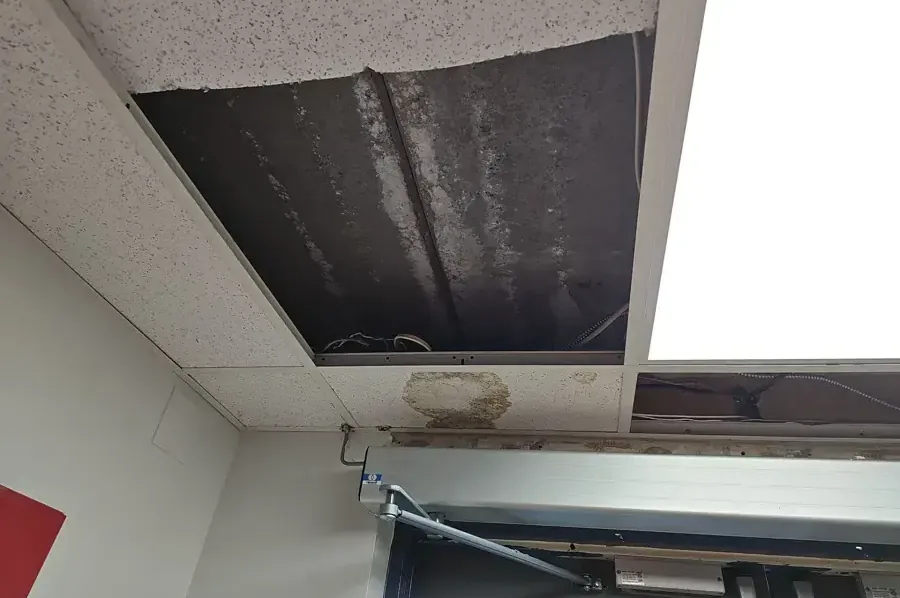
Main Street through Lincolnton is NC 27, and the city has three historic districts: Lincolnton Commercial, West Main Street and South Aspen Street. Shops, offices and restaurants in older buildings face a different kind of water loss than a house does. The first day decides how long the doors stay closed.
Key takeaways
- Stop the water, protect the stock and photograph everything before any cleanup begins.
- Extraction comes first, and drying is planned room by room so unaffected areas can reopen sooner.
- Older buildings may hold moisture longer in brick, plaster and old wood floors, so readings set the pace of the work.
- Exterior or historic features can carry approval rules, so ask before changing the front of a building.
- Records of lost sales, wet inventory and repair invoices help the insurance claim.
A water loss in an older commercial building
A burst pipe over a sales floor, a roof leak above an office or a sprinkler pipe that lets go does not stay in one room. Water follows ceilings, walls and floors, and it often shows up far from where it started.
Older downtown buildings add to the puzzle. Thick walls, layered floors and ceilings that were patched over the years can hide wet spots that a quick look misses.
The first hours for a shop or office owner
Speed helps, but order matters more. The aim is to stop new water, protect what can be saved and give the restoration team a clear picture.
- Shut off the water at the main valve, or the power to the area if water reached outlets or light fixtures.
- Move stock, files and electronics up onto shelves or into a dry room.
- Photograph the source, the wet areas and every item that was damaged.
- Keep staff and customers out of wet or sagging areas.
- Note the time the leak was found, who found it and what was done.
Extraction and drying with reopening in mind
The crew starts with water extraction so standing water does not soak into more flooring and drywall. Pumps, extractors and wet vacuums clear the floor, and wet ceiling tiles and soaked insulation come down.
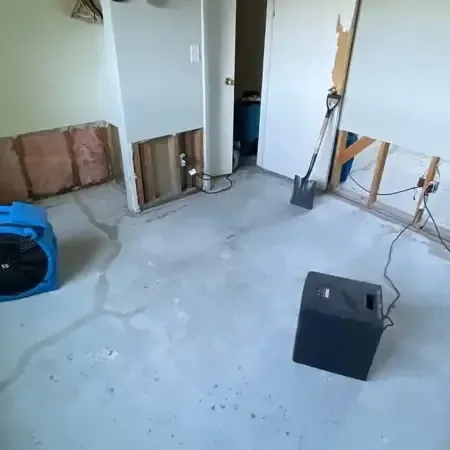
Drying then follows in zones. Fans and dehumidifiers go where the readings show moisture, and the rest of the space stays as clear as possible.
Keeping part of the business open
A storefront with a wet back room may still be able to serve customers at the front. Containment barriers and zoned equipment let the crew work in one area while another stays in use.
That plan depends on readings and safety, and the crew decides it room by room.
Stock, fixtures and records
Wet inventory is sorted into items to keep, items to clean and items to discard. Paper records, electronics and fabric need quick attention because they do not recover well when left damp.
Older buildings and historic districts
Buildings in a historic district may include brick, plaster, wood floors and old framing. These materials dry on their own schedule, and rushing them can crack plaster or cup wood.
Drying plans for these buildings are set by readings taken on site. The approach is described under structural drying.
Exterior work in a historic district can come with approval rules, so it helps to ask before altering the front of a building.
- Brick and masonry hold water and dry slowly.
- Plaster ceilings can sag and are opened carefully.
- Hardwood floors may need gradual, controlled drying to limit cupping.
Common sources of commercial water loss
Most business losses trace back to a short list of causes. Knowing them helps an owner spot trouble early.
- A split supply pipe above a sales floor or in a back wall.
- A roof drain or flashing leak that sends water down through ceiling tiles.
- An air conditioner condensate drain that backs up above a suspended ceiling.
- A water heater, ice machine or dishwasher failing in a kitchen or break room.
- A leak from an upstairs tenant that travels down through the ceiling.
- A floor drain that backs up after heavy rain.
Restaurants, shops and offices: what each protects first
Different businesses lose different things first, and the cleanup plan follows.
Restaurants and food service
Food, packaging and food contact surfaces that touched water are usually discarded, and the kitchen is cleaned before it is used again. The health department can say what is needed before reopening.
Retail shops
Stock on low shelves and floor displays goes first. Cardboard packaging wicks water and weakens quickly, so inventory is moved up and sorted early.
Offices
Paper files, computers and data equipment need attention before the floors do. A quick backup of data and a move of equipment to a dry room can save more than the flooring is worth.
Tenants, landlords and neighbors
A downtown building often has several tenants, and a leak from one unit can reach another. The lease usually sets out who repairs what, so it helps to read it early.
Both the owner and the tenant keep their own records, because each may have a separate insurance claim.
- Tell the building owner or manager as soon as the leak is found.
- Warn neighboring tenants if water may reach their space.
- Ask who holds the shutoff valves and where they are.
- Keep a written note of every conversation about the repair.
Safety for staff and customers during the loss
Wet floors, sagging ceilings and live wiring are the main dangers in the first hours. A sign at the door and a roped off area keep customers from walking into them.
Staff should know where the main shutoff valve and the electrical panel are before anything goes wrong. A short, written plan taped near the office door takes a few minutes to prepare and can spare hours on the day of a leak.
If a ceiling is bulging with trapped water, nobody should stand under it. The crew releases that water in a controlled way and then removes the damaged section.
Records that support the insurance claim
A commercial claim often covers more than the repair. It can include lost sales, inventory and the cost of working around the damage.
Good records shorten the process. Keep them in one place from the first day.
- Dated photos and video of the damage before and during cleanup.
- Inventory lists with purchase costs for damaged stock.
- Moisture logs and drying notes from the restoration team.
- Receipts for repairs, rentals and emergency purchases.
A reopening plan for a Main Street business
Once the readings are dry, repairs can begin. Sorting repairs into what is needed to reopen and what can wait helps a business get back to customers faster.
For losses of this kind, commercial water damage work is planned around the owner's hours, deliveries and staff, not just around the equipment.
Questions
Should a business shut down after a leak?
Not always. Safety comes first, but a dry area away from the damage may stay open while the wet area is cleared and dried.
Who decides when a building is dry?
Moisture readings compared with a dry reference decide it. Touch and smell are not enough, especially in brick and old wood.
Can wet ceiling tiles be saved?
Stained or sagging tiles are usually replaced. Insulation above them that soaked up water is removed as well.
What records does an insurer usually want?
Photos, an inventory of damaged items, repair invoices and notes on when the leak was found and what was done are the common starting points.