Water Damage Restoration Cherryville, NC
A tank that let go in the garage, a thunderstorm pushing water under the door or a toilet backing up across the bath: the restoration team pulls the water out, dries the house to the IICRC S500 standard and records every reading for the claim.
(888) 578-4720Get a drying crew headed to ZIP 28021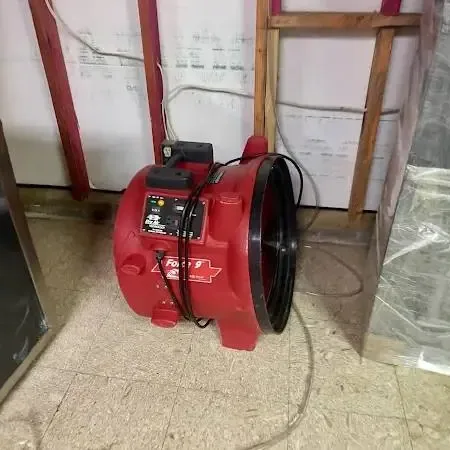
What to do in the first hour of a water leak
- NO1
Close the home's shutoff
Use the main valve inside the house first. If a public main or meter is leaking, after-hours water and sewer emergencies go through the city police department.
- NO2
Switch off wet circuits
Use the breaker only when the panel and the floor around it are dry.
- NO3
Stay out of the water
Keep away from outlets, cords and any appliance sitting in water.
- NO4
Take photos first
Record every wet room, the source and damaged belongings before anything is moved.
- NO5
Lift and call
Get rugs and boxes off the floor; wet pad and drywall should be drying inside 24 to 48 hours.
Water and sewage services available across town
The same fourteen water and sewage services, each one planned from a moisture map, dried with LGR dehumidifiers and finished only when readings reach a dry reference.
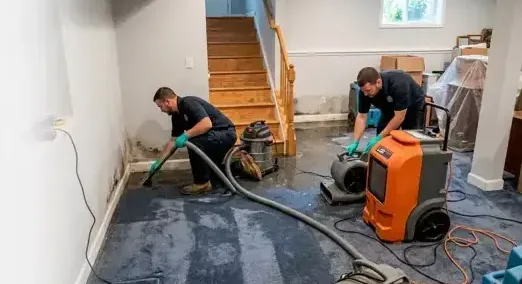 01Water Extraction and RemovalTruck-mounted extraction lifts standing water out of carpet, pad and hard floors early.See the service
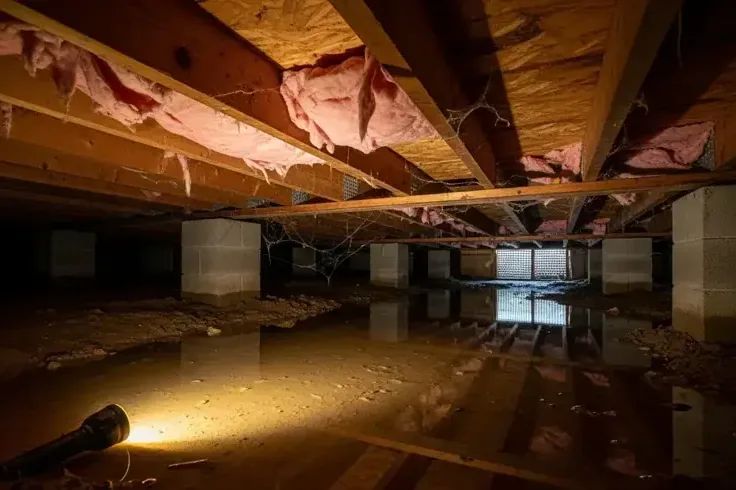 02Crawl Space Water RemovalWater under the floor pumped out, wet insulation removed and the framing dried.See the service
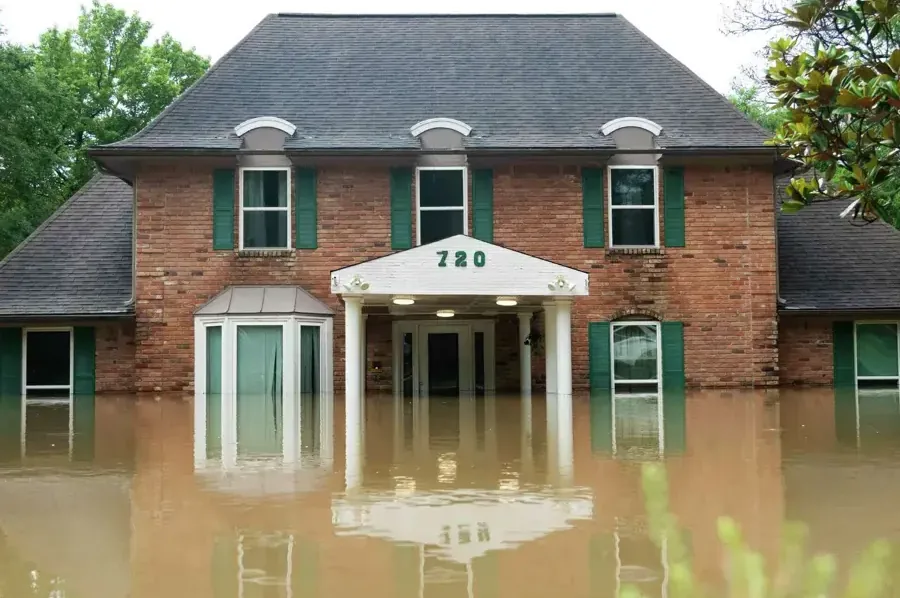 03Storm and River Flood CleanupThunderstorm runoff and creek water handled as Category 3, removed and dried out.See the service
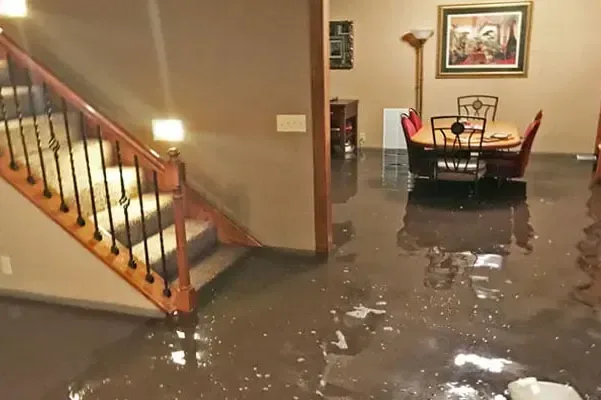 04Basement Flooding CleanupLower levels pumped out, wet finishes removed where needed, slab and walls dried.See the service
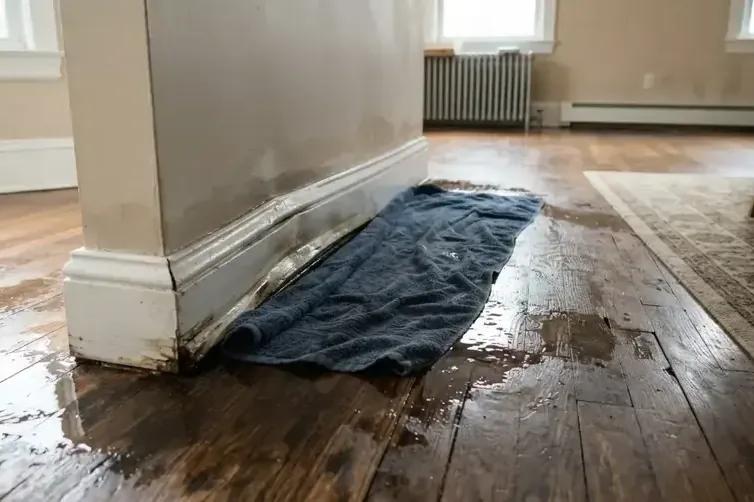 05Burst Pipe Water DamageA split supply line inside a wall tracked with thermal imaging and dried in place.See the service
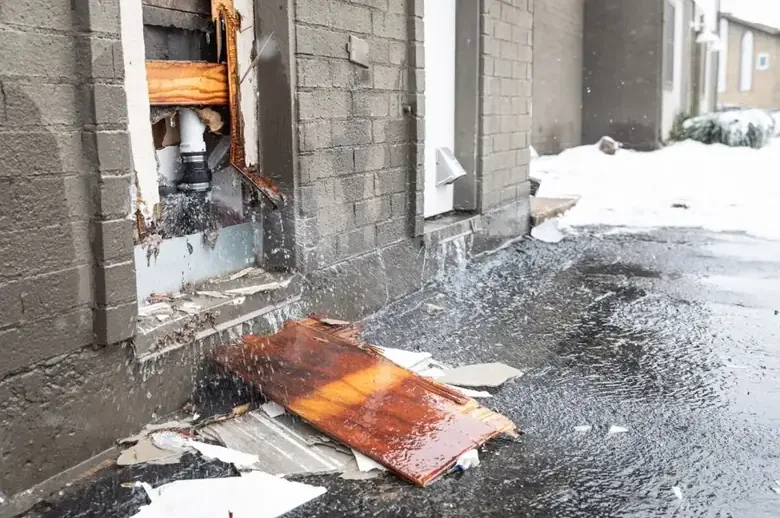 06Frozen Pipe Water DamagePipes split in severe winter weather, found after the thaw and dried from below.See the service
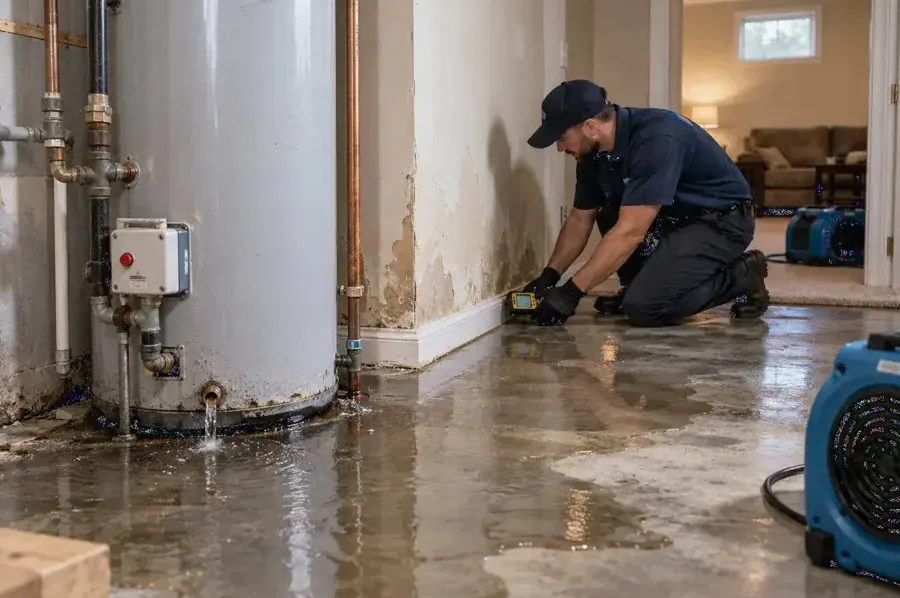 07Water Heater Leak CleanupA tank or fitting failure extracted before it soaks the subfloor and wall bottoms.See the service
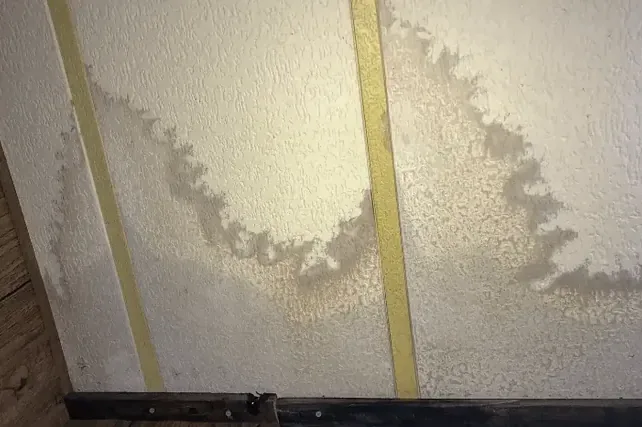 08Ceiling Leak Water DamageWater above the drywall traced, a sagging panel drained safely and the joists dried.See the service
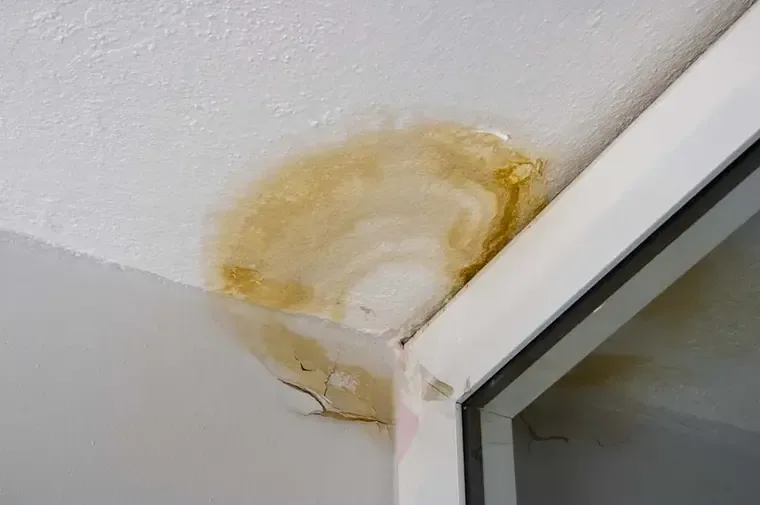 09Roof Leak Water DamageWind-driven rain through flashing or shingles, wet attic insulation pulled out.See the service
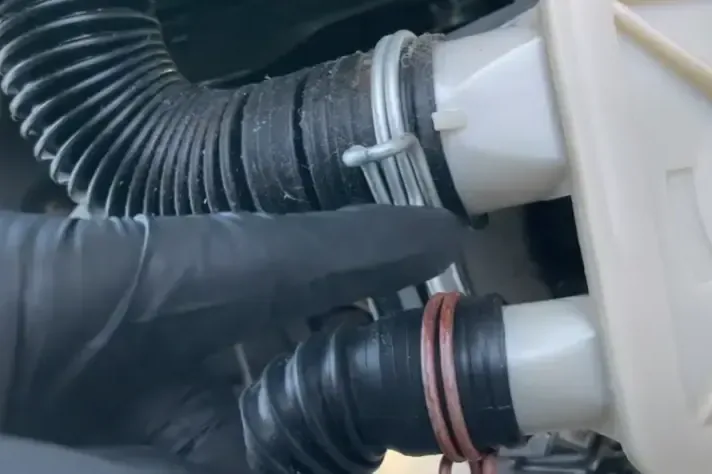 10Appliance and Supply Line LeaksWasher, dishwasher and fridge line leaks dried out of cabinets and flooring.See the service
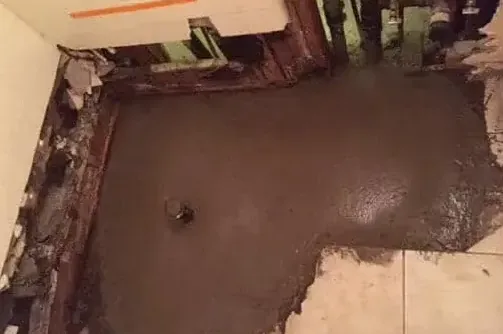 11Slab Leak Water DamageHidden leaks under the floor mapped, flooring lifted where needed, concrete dried.See the service
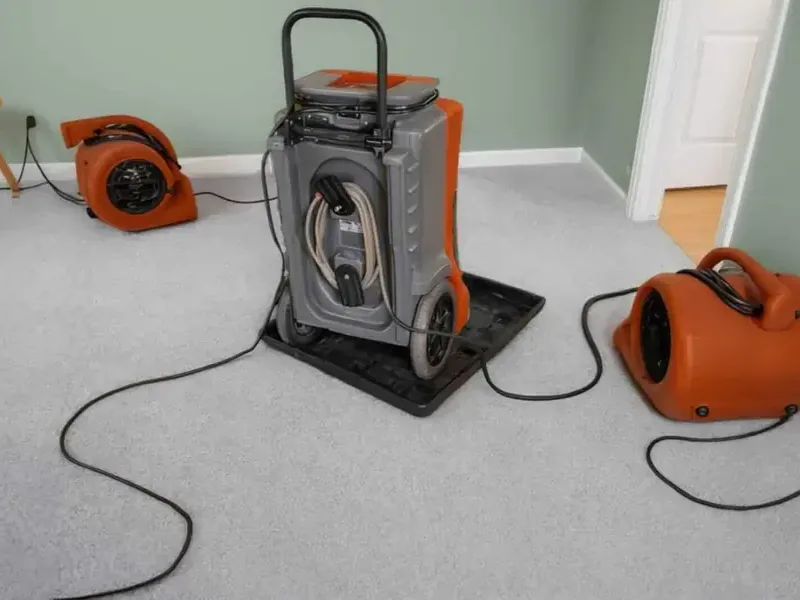 12Structural Drying and DehumidificationFraming and subfloor dried until readings sit within 2 to 4 points of dry.See the service
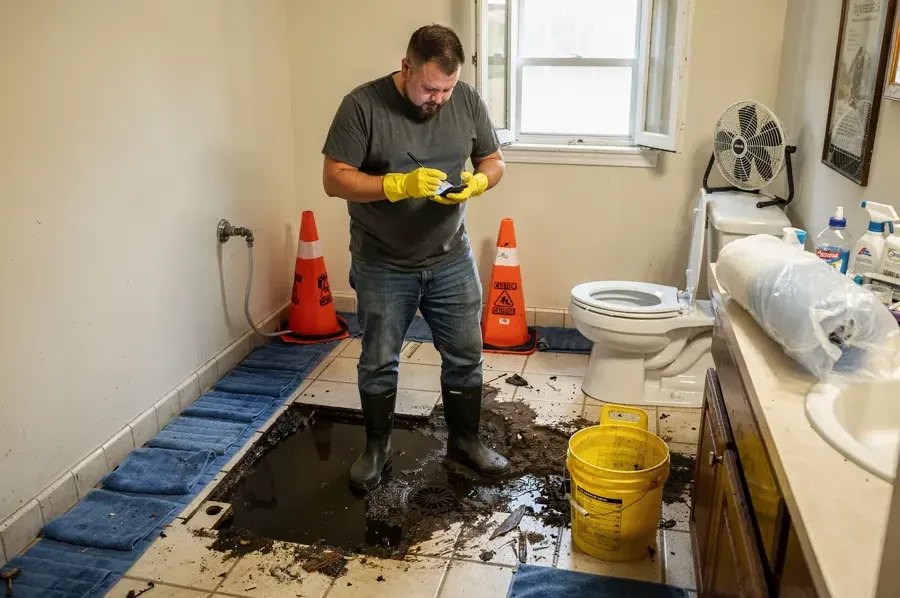 13Sewage Backup CleanupToilet and drain backups contained as Category 3, cleaned, treated, then dried.See the service
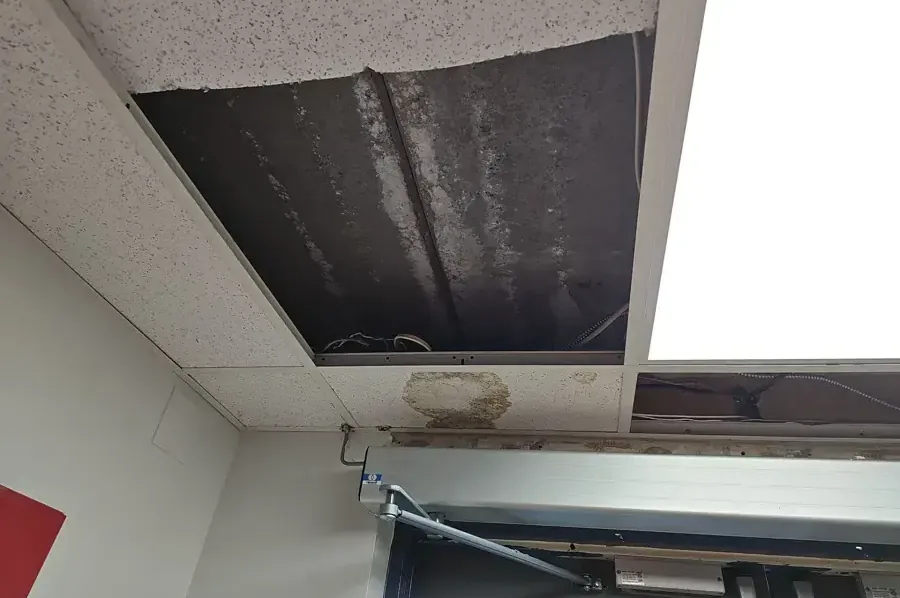 14Commercial Water DamageDowntown shops, offices and churches dried in phases so business keeps moving.See the service
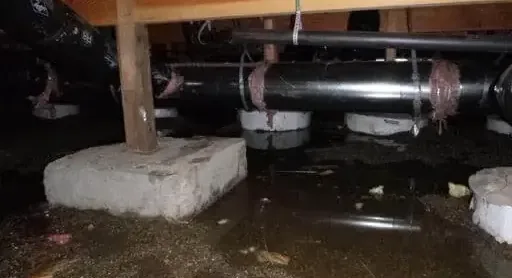
Water under the house dries slower than anything
Water that runs under a home through a foundation vent or from a leaking line stays out of sight. It soaks insulation, sits on the vapor barrier and keeps joists and subfloor damp long after the rooms above look dry.
- Standing water pumped out from under the floor framing
- Soaked insulation and torn vapor barrier pulled out
- Joists and subfloor dried with LGR dehumidifiers to dry readings
Drying measured to IICRC S500, room by room
- NO1
Map the moisture
A meter and a thermal camera trace how far the water traveled into floors, walls and cabinets before any equipment is set.
- NO2
Extract the water
Truck-mounted and portable units pull standing water out of carpet and pad, so less has to come out of the air later.
- NO3
Set the drying
Air movers match each room's evaporation load, LGR dehumidifiers pull the moisture, and desiccant units handle dense Class 4 materials.
- NO4
Read until dry
The drying team records readings every day and removes equipment once materials sit within 2 to 4 points of a dry reference.
A small Class 1 loss often dries in three to five days. Dense floors, plaster and layered finishes take longer, and the readings, not the calendar, say when equipment leaves.
All three water categories handled here
Category 1, clean water
Supply lines, water heater tanks and frozen pipes. Fast extraction and drying keep it from turning into gray water.
Water heater leak cleanupCategory 2, gray water
Dishwasher or washer discharge, or clean water that sat too long. Wet pad and porous items usually get removed.
Appliance leak cleanupCategory 3, black water
Sewer backups and creek or storm runoff. Containment, removal of porous materials and an EPA-registered antimicrobial come first.
Storm and creek water cleanupWhy houses here dry properly the first time
Every room gets a moisture map, a reading every day and an end point the numbers decide, not a guess.
Dispatch any hour
Dispatch runs 24/7, and the extraction crew aims to work the loss while the water is still in one room, not spreading through the floor.
Dried to IICRC S500
The drying team dries framing and subfloor, not just the surface, and keeps equipment running until readings, not touch, say dry.
Records the adjuster needs
Moisture maps, daily drying logs and photos with time stamps give the adjuster the record a water claim depends on.
Utility or plumbing?
The city runs its own water, sewer and electric systems, so the crew helps sort a public main problem from a leak inside the house.
What does water damage restoration cost in Cherryville, NC?
Most household water losses in the area run from about $1,200 for a clean leak caught in one room to $9,000 or more once water reaches several rooms, the subfloor or the space under the house. Sewage and storm runoff cost more.
Small leak, found fast
- Clean Category 1 water
- Extraction plus 3 to 4 days of drying
- Moisture map and daily logs
Several rooms or below the floor
- Wet pad, drywall or insulation taken out
- Air movers and LGR dehumidifiers
- Gray water or a delayed start
Whole floor, sewage or runoff
- Category 3 containment
- Porous materials removed below the waterline
- EPA-registered antimicrobial, longer drying
Ranges are typical, not a quote. Water category, square footage, material class and how quickly drying began move the price most. The water damage cost calculator gives a planning range for your own loss.
What a water damage claim file should contain
Adjusters decide a water claim on the records, not on the first call. A complete file from the restoration team includes these items:
- Moisture map from the first walkthrough
- Psychrometric readings and drying logs for every day
- Photos with time stamps taken before demolition
- The water category and class of loss
- An itemized scope of the work
Sudden leak or rising water?
A sudden and accidental discharge, such as a split supply line or a failed tank, is usually treated differently from creek or storm water that rises from outside, which normally needs separate flood coverage.
Policies differ, so read your own policy and speak with your insurer early. The drying records help whichever coverage applies.
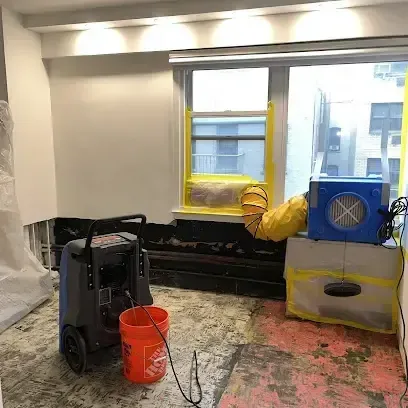
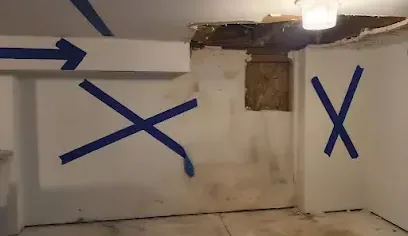
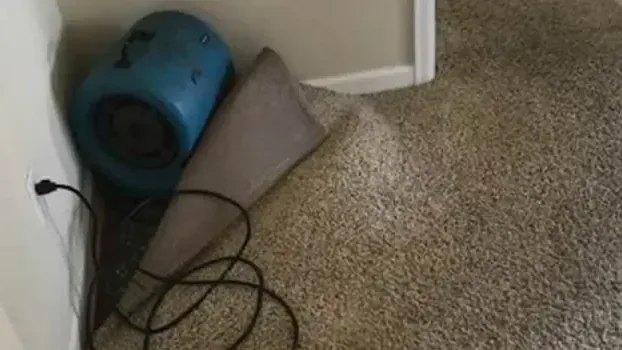
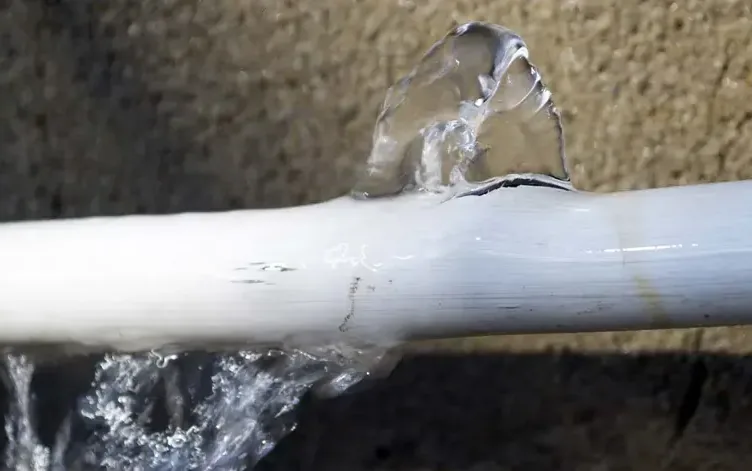
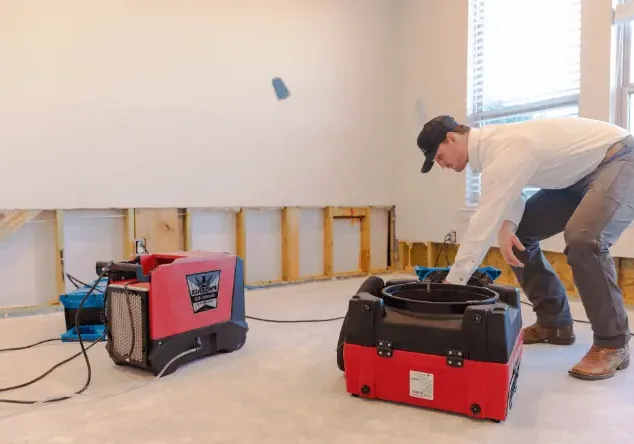
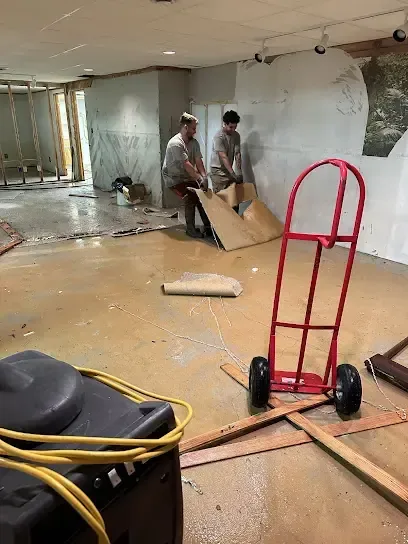
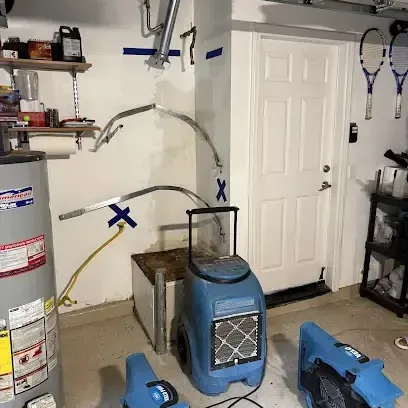
What each stage of a water damage dry-out looks like
Cherryville neighborhoods and ZIP code covered
ZIP code
Emergency water removal across ZIP 28021
Extraction crews cover the downtown blocks and North Mountain Street, along with the Tryon, Hugh's Pond and Tryonota areas around the city.
Homes on every side of town get the same moisture mapping, drying standard and claim records as the main service area.
Cherryville, NC · [email protected]
See every town and neighborhood covered
(888) 578-4720Send a crew to the wet rooms in 28021Areas and landmarks
Nearby towns
Water damage in Cherryville, NC: the local risk profile
The city sits on a divide among three creek watersheds, and it runs its own water, sewer and electric systems. Those two facts shape where water comes from and who to call.
- Three watersheds. The west end drains to Muddy Creek and Buffalo Creek in the Broad River basin, while Indian Creek and Beaverdam Creek carry water toward the South Fork Catawba River.
- Mapped flood zones. The city publishes a Map of Cherryville Flood Zones on its Planning and Zoning page, worth checking before finishing or furnishing a lower level.
- Regional storm hazards. The Cleveland Gaston Lincoln regional emergency management plan lists thunderstorms, tornadoes, flooding and severe winter weather as the main natural hazards for the region.
- City water and sewer. The Water and Sewer Division serves over 2,400 customers, and after-hours water and sewer emergencies go through the city police department.
- Winter freezes. Severe winter weather is when pipes split in unheated spaces and outside walls, and the leak often shows only after the thaw.
Late September 2024. The remnants of Hurricane Helene brought high winds and heavy rain to the Shelby and Gastonia area, part of the same regional hazard picture.
Cherryville water damage questions, answered
How quickly can a drying crew start?
Dispatch runs 24/7 and every active water loss is treated as urgent. The first visit maps the moisture, extracts standing water and sets drying equipment, because wet pad and drywall should be drying inside 24 to 48 hours to limit damage and mold growth.
Who handles a leaking water main or meter?
The city's Water and Sewer Division runs the public water and sewer system, and after hours those emergencies go through the city police department. Leaks inside the house, and the water damage they cause, fall to the homeowner and the restoration team.
Does homeowners insurance cover water damage here?
That depends on the policy and the source. A sudden discharge from a burst pipe or a failed water heater is often covered after the deductible, while creek or storm water rising from outside usually needs flood insurance. Read your own policy and call your insurer early.
What usually causes water damage in local homes?
Indoor sources are common everywhere: split supply lines, water heaters, washer hoses and toilets. Storm runoff, creek water and freezing weather add outside sources, and the region lists thunderstorms, flooding and severe winter weather among its main hazards.
How long does it take to dry a house after a leak?
A contained Class 1 loss usually dries in three to five days. Plaster, hardwood, layered flooring and wet framing take longer. Equipment is removed when readings come within 2 to 4 points of a dry reference, not on a set schedule.
What does the IICRC S500 standard cover?
S500 is the professional standard for water damage restoration. It sets out how water is categorized and classed, how drying equipment is sized and checked, and when porous materials must be removed rather than dried in place.
What should be done before the crew arrives?
Close the main valve, switch off power to wet rooms only if the panel is dry, photograph everything and move rugs, boxes and electronics up off the floor. Do not use a household vacuum on standing water.
When does wet drywall need to be cut out?
Clean-water drywall can often dry in place when drying starts quickly. It comes out when it wicked water high up the wall, stayed wet too long, lost strength, or got soaked with sewage or outside water.
Why is a sewage backup handled differently?
Sewage is Category 3 water from the first minute. The sewage crew wears protective gear, removes porous materials above the waterline, cleans and applies an EPA-registered antimicrobial for its full dwell time, and only then dries the structure.
How is the price of a dry-out worked out?
The scope comes from the moisture map: square footage, water category, material class and the number of drying days. Removing wet drywall or pad, setting containment and antimicrobial treatment add line items. The cost calculator shows typical ranges.
Water still spreading? Close the home's main valve if it is safe, stay clear of wet outlets and get drying underway inside the 24 to 48 hour window.
(888) 578-4720Ask what the first drying visit coversWater inside the house? Call now, any hour.
Each hour water sits, it moves deeper into pad, drywall, subfloor and framing.
- Lincoln County, NC
- Open every hour, every day