Water Damage Restoration Newton, NC
A pipe splits, a storm pushes water under a door or a drain backs up, and moisture keeps spreading into floors and walls. The restoration team pumps out standing water, sets drying equipment and tracks readings until the structure is dry.
(888) 578-4720Call now about a wet floor or standing water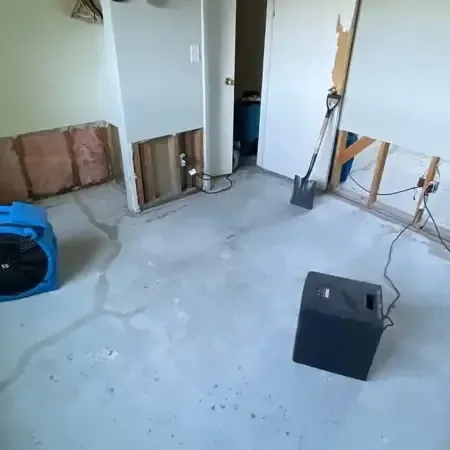
The first steps after water gets into a house
- NO1
Stop the source
Close the shutoff valve for a leaking pipe or appliance. With storm water, stay out of flooded rooms where outlets or cords are wet.
- NO2
Call for help
A call starts the response and covers what is wet, how much and where.
- NO3
Protect dry items
Lift furniture off wet floors and move small valuables to a dry room.
- NO4
Remove the water
Pumps and extractors take out standing water, then wet carpet and pad are pulled if needed.
- NO5
Dry and document
Air movers and dehumidifiers run while readings and photos are logged for the insurance claim.
Water problems the restoration team handles
A split pipe, a leaking roof and a flooded floor each call for different equipment and a different drying plan. These services cover the usual water losses in local homes.
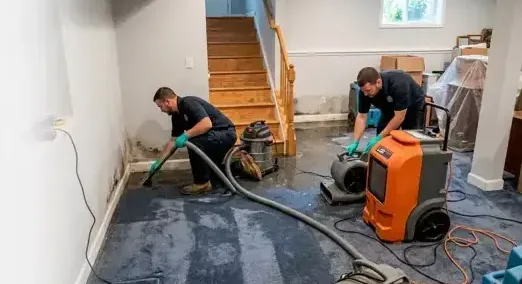 01Water Extraction and RemovalPumps and extractors pull standing water out of floors and carpet before it soaks deeper.See the service
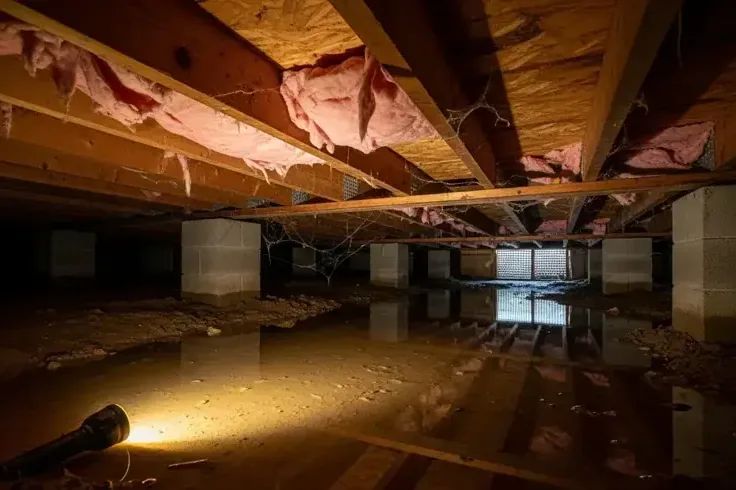 02Crawl Space Water RemovalWater under a house is pumped out, wet insulation is checked and joists are dried.See the service
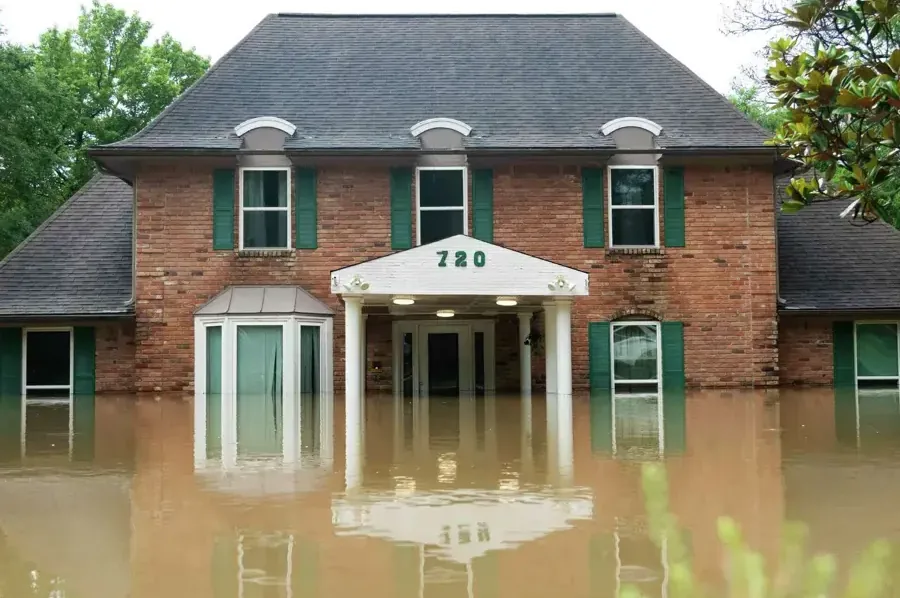 03Storm and River Flood CleanupStorm water carries mud and silt into a house, cleared before drying starts.See the service
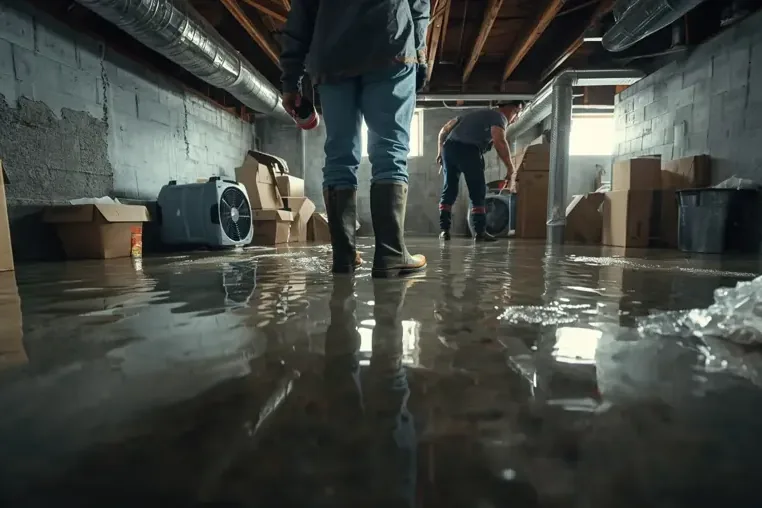
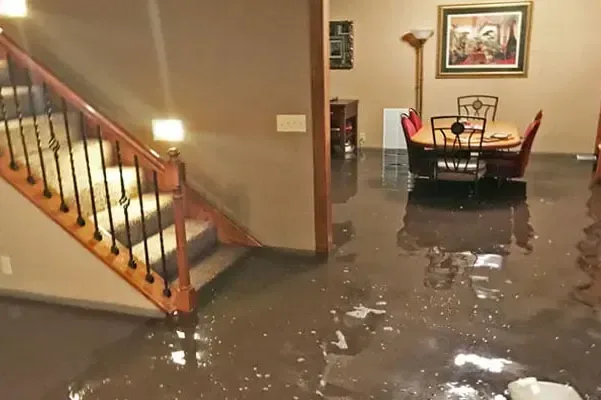 04Basement Flooding CleanupWater that enters below grade is pumped out, then walls and floors are dried.See the service
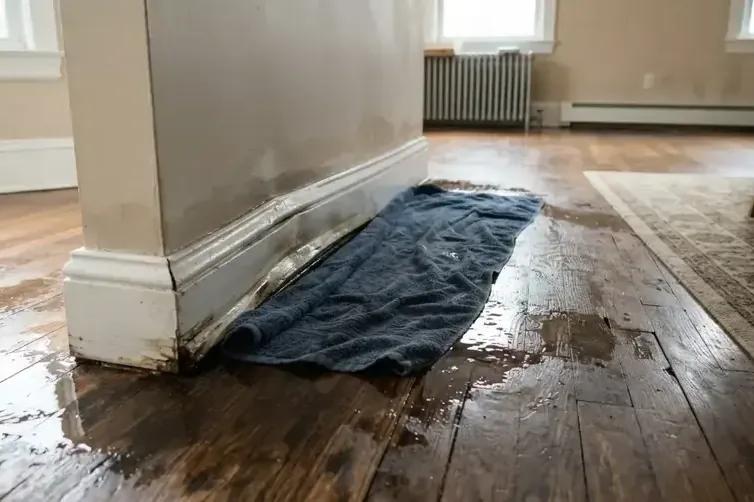 05Burst Pipe Water DamageA split pipe floods fast, so the shutoff comes first and wet areas are dried.See the service
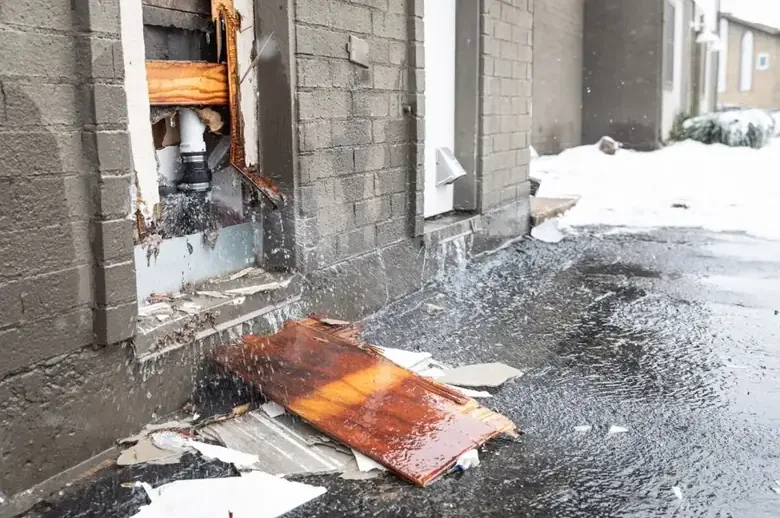 06Frozen Pipe Water DamageA pipe that froze and split releases water once it thaws, often inside a wall.See the service
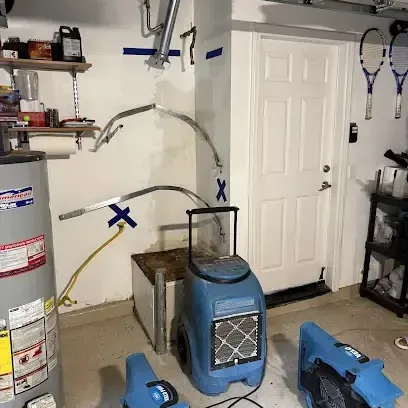
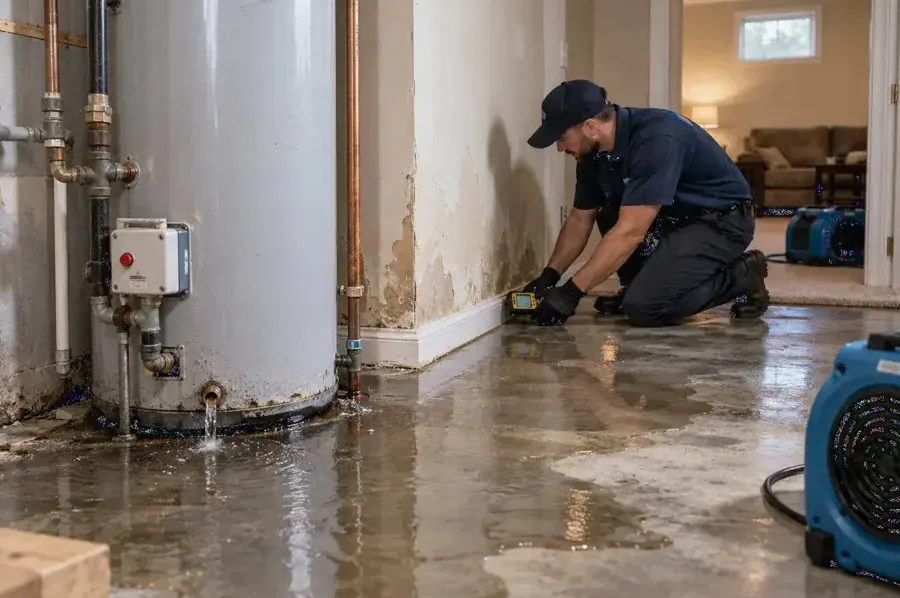 07Water Heater Leak CleanupA leaking tank soaks the floor, and the subfloor or ceiling below needs drying.See the service
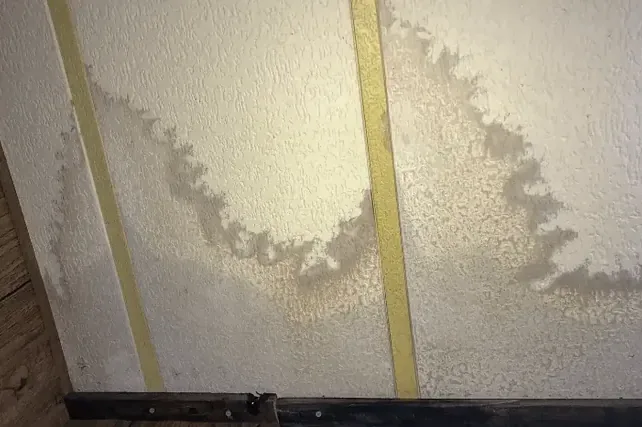 08Ceiling Leak Water DamageA stain overhead means water above it, so wet panels and insulation are checked.See the service
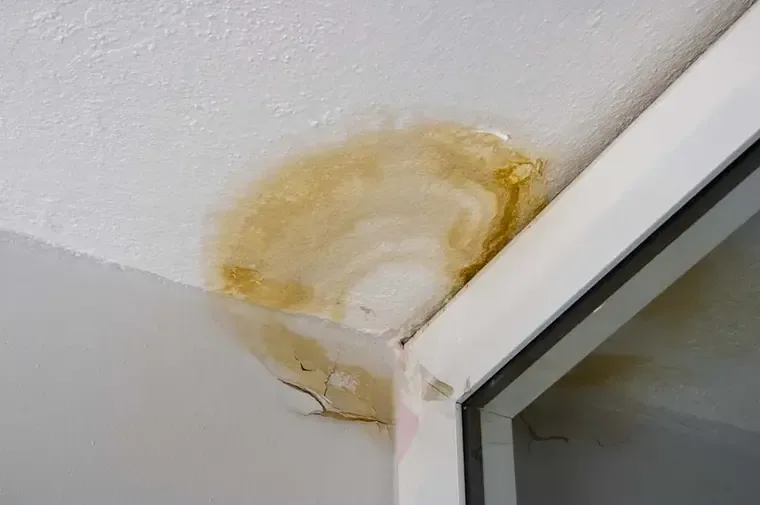 09Roof Leak Water DamageRain that gets past worn roofing wets the attic first, then the rooms below.See the service
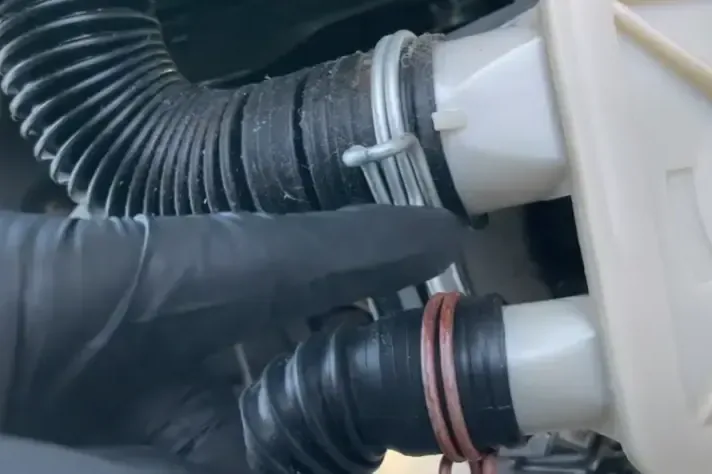 10Appliance and Supply Line LeaksHoses behind a washer, dishwasher or fridge leak slowly while the floor underneath absorbs it.See the service
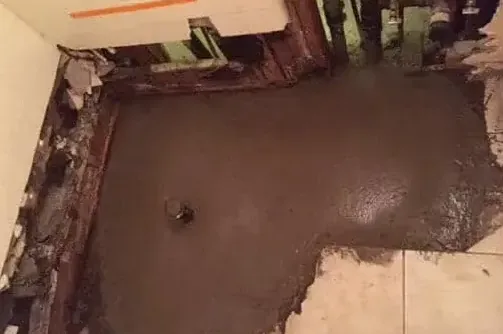 11Slab Leak Water DamageA leak in or under a slab shows up as damp floors or a high water bill.See the service
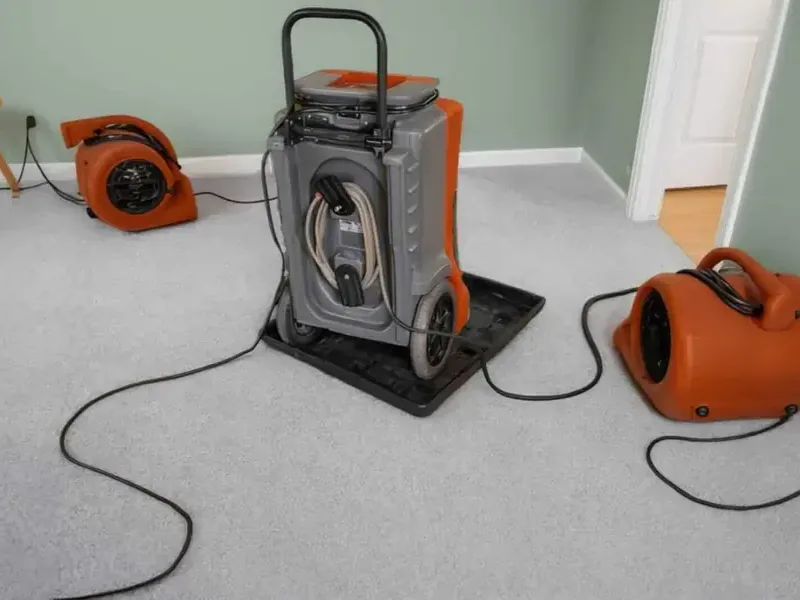 12Structural Drying and DehumidificationAir movers and dehumidifiers pull moisture from framing, subfloor and drywall until readings are normal.See the service
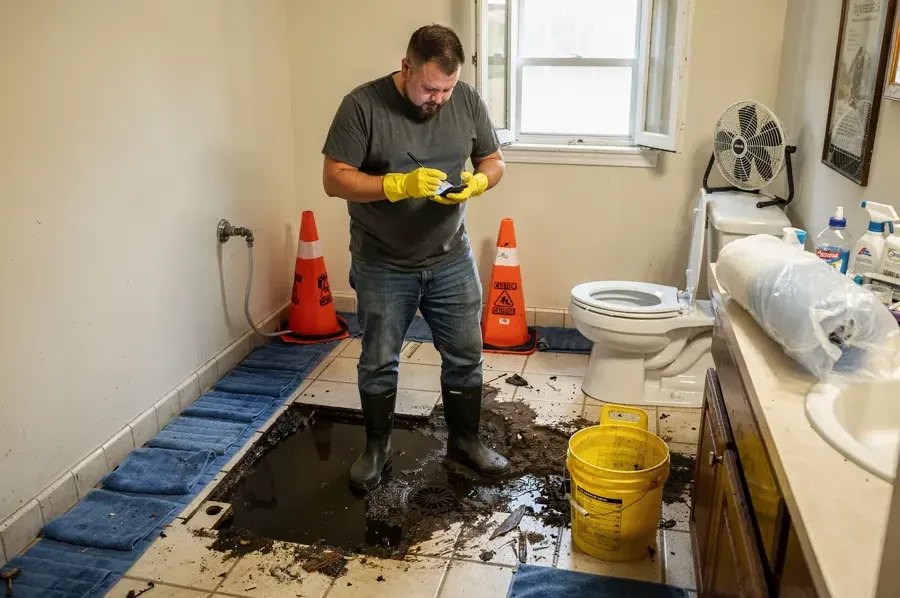 13Sewage Backup CleanupBacked up sewage is a health hazard, so contaminated material is removed and the area sanitized.See the service
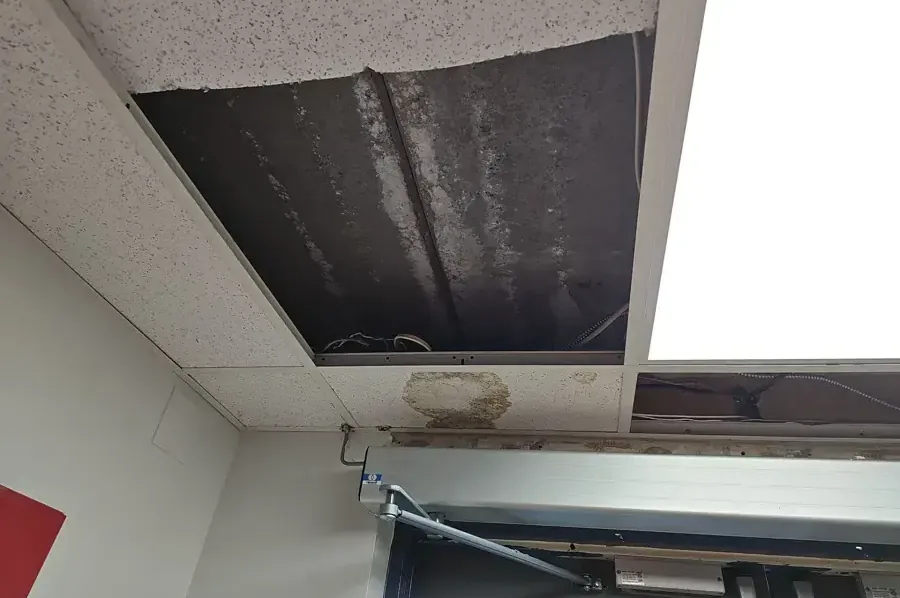 14Commercial Water DamageOffices, shops and stores get a drying plan built to limit downtime.See the service
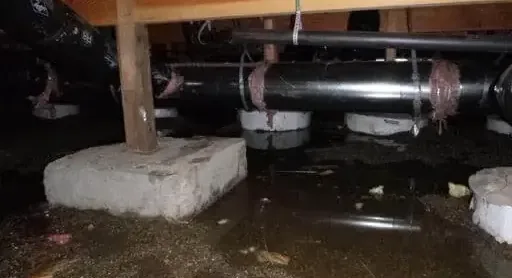
Water beneath a house needs a pump first
When water collects under a house, the pump comes first. Then the wet insulation and subfloor are checked, because joists, vapor barriers and framing stay damp long after the standing water is gone.
- Standing water pumped out and drained away
- Wet insulation checked, and removed when soaked
- Joists and subfloor dried with air movers and dehumidifiers
Drying that follows a standard, not a guess
- NO1
Assess and classify
A moisture meter and thermal camera trace the wet areas, and the water is sorted as clean, gray or contaminated.
- NO2
Extract the water
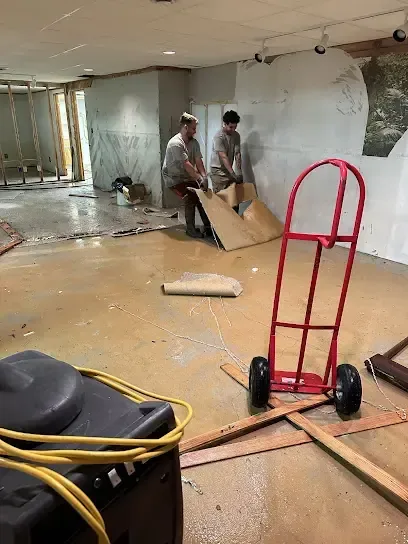
Submersible pumps and portable extractors remove standing water, and soaked pad or damaged drywall is cut out.
- NO3
Place the equipment
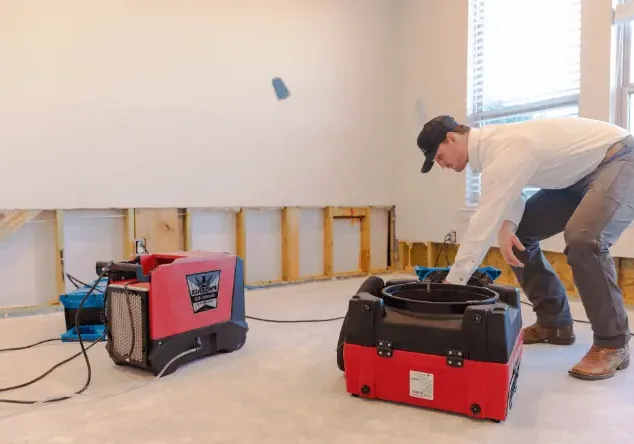
Air movers push dry air across wet surfaces while dehumidifiers pull moisture out of the air, with placement set by the room layout.
- NO4
Check until dry
Readings are taken at each visit and compared with a dry reference, and equipment stays until the materials match it.
The drying team works to the IICRC S500 standard: water is classified first, equipment is matched to that class and moisture readings decide when drying ends.
Three kinds of water, three kinds of work
Clean water from supply pipes
A leaking tank or broken supply pipe releases clean water, which dries best when caught early.
Category 1 clean waterGray water from appliances
Washers and dishwashers release used water that can carry soap and bacteria, so porous materials are often removed instead of dried.
Category 2 gray waterFloodwater and sewage
Water that crosses the ground or backs up from a drain is heavily contaminated, so it is removed, cleaned and sanitized rather than simply dried.
Category 3 black waterStraight answers when water is already on the floor
Water losses are stressful, and the work is easier to trust when each step is explained and the readings are written down.
Open any hour
Water does not wait for business hours, so a call at night or on a weekend starts the same response as one at noon.
Readings, not guesses
Moisture meters and thermal checks decide where drying equipment goes and when it can come out.
Water and sewage only
The work stays on water, storm and sewage losses, so the methods and equipment fit wet structures.
Cost ranges up front
Typical price ranges are laid out ahead of time, and the scope of the job explains why a loss lands at one end.
What water damage cleanup costs here
Most water damage jobs in Newton fall between $1,200 and $25,000, depending on how many rooms are wet and whether the water is clean, gray or contaminated. A single room caught early lands near the bottom of that span.
One room, found early
- Extraction and structural drying
- Wet carpet pad removed if soaked through
- Moisture readings logged at each visit
Several rooms with wet flooring
- Larger equipment setup across rooms
- Flooring and baseboards pulled where wet
- Daily readings until the rooms are dry
Whole level or Category 3 water
- Contaminated material removed and discarded
- Cleaning and sanitizing of exposed surfaces
- Extended drying with monitoring
Cost depends on the size of the wet area, the type of water and how long it sat. Insurance often pays for sudden losses, and the drying team records the scope so a claim can be filed.
Water damage and the insurance claim
A claim goes more smoothly when the loss is documented from the first visit, with dated photos, readings and a clear record of what was removed.
- Dated photos of every wet room
- The cause and the time water was found
- Moisture readings and drying logs
- Receipts for emergency repairs
- A written scope of the work done
What a homeowner can do first
Before anyone arrives, a homeowner can shut off the water, photograph the damage and note when it started. Those records support the claim later, and the adjuster can review them alongside the drying logs.
Policy wording decides what is covered, so questions about a sudden leak versus a slow one belong with the insurance company.
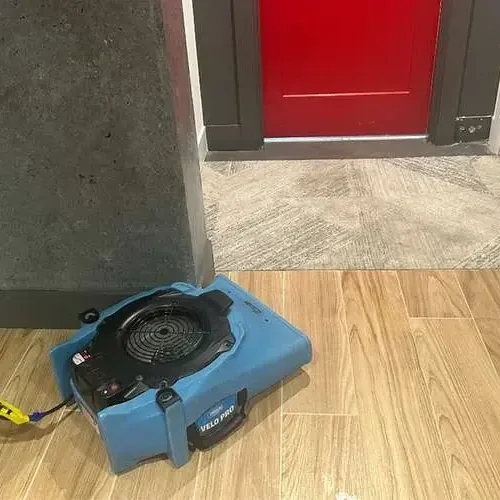
How a water loss is opened up, dried and checked
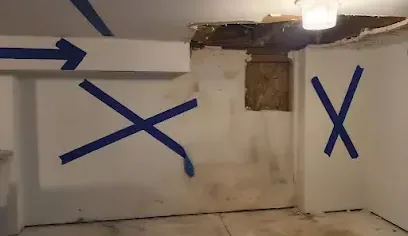
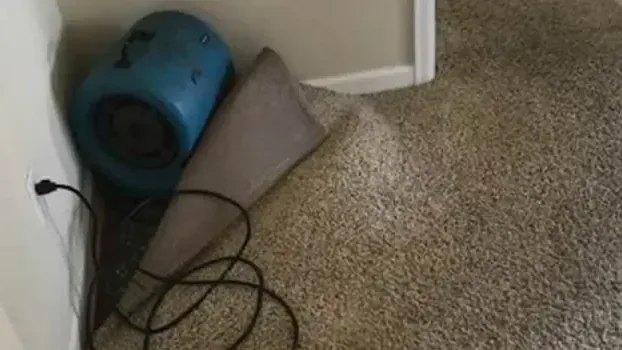
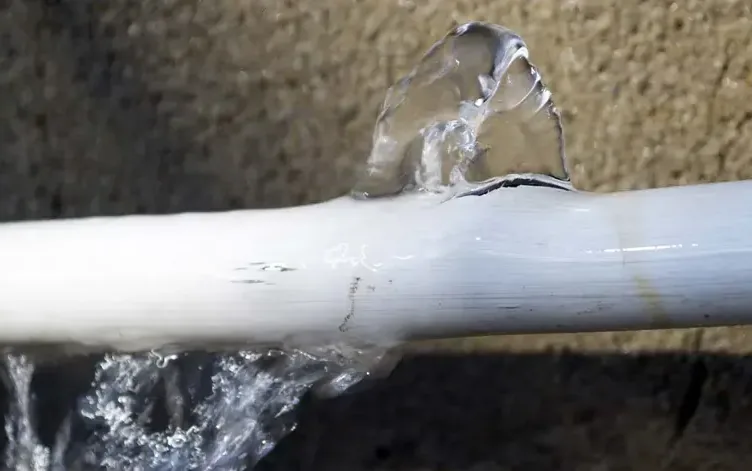
Where the restoration team works in town
ZIP code served
Reaching the team from anywhere in town
Calls come in from the downtown district, the neighborhoods along NC 16 and the communities of Startown and Propst Crossroads, and the response is built around where the water is.
ZIP code 28658 reaches past the city limits, and the same response covers the homes and businesses out there.
Newton, NC · [email protected]
(888) 578-4720Call about water damage anywhere in townStreets and districts served
Nearby towns
Flash flooding and other ways water reaches homes here
Newton sits in the middle of Catawba County, where heavy rain has already forced emergency warnings. Most water losses start with weather, a failed roof or a plumbing problem inside the house.
- Flash flooding The November 2020 warning rated the damage threat as catastrophic, and the Lyle, Snow and Falling Creek drainages were named as the most threatened in Catawba County.
- Roof leaks after heavy rain The 3 to 5 inches that fell in about 20 hours before that emergency show how fast roofs get tested, and worn flashing or shingles let water into the attic first.
- Older buildings Buildings such as the Catawba County Courthouse, built in 1924, and the Foil-Cline House, built in 1883, contain older materials that a drying plan has to be built around.
- Drain and sewer backups Sewage that backs up into a house is contaminated whatever caused it, so removal and sanitizing come first and the question of who fixes the pipe comes later.
- Pipes and appliances A split supply pipe, a failed water heater or a washer hose can release water in any season, so the shutoff valve matters more than the weather.
November 12, 2020 The National Weather Service issued a flash flood emergency that included Greater Newton after 3 to 5 inches of rain, with flooded roads and water rescues across Catawba County.
Common water damage questions
How quickly does water damage need attention?
As quickly as possible. Water soaks into drywall, subfloor and insulation fast, and mold can begin growing within 24 to 48 hours, so extraction and drying are started as soon as the call comes in, even at night.
What can a homeowner do while waiting for help?
Shut off the water at the valve if a pipe or appliance is leaking, switch off power to wet areas only if it is safe, lift valuables off the floor and take photos of everything before anything is moved.
Does homeowners insurance cover water damage?
Policies often cover sudden events such as a burst pipe, while slow leaks and rising floodwater are usually treated differently, so the policy wording matters. The adjuster works from the photos, readings and scope of work.
What does water damage restoration usually cost?
Typical jobs run from about $1,200 for one room caught early to $25,000 or more for a whole level or contaminated water. The size of the wet area, the water type and the time it sat all move the price within that span.
What is the difference between clean, gray and black water?
Clean water comes from supply pipes, gray water from appliances and black water from floods and sewage. The darker the category, the more material is removed instead of dried. Time matters too, because clean water can turn gray if it sits.
How long does structural drying take?
Most jobs need several days of equipment running, but the materials decide. Dense framing and subfloor dry slower than drywall, and the team removes equipment only after readings match a dry reference, not on a fixed schedule.
Can wet carpet and drywall be saved?
Often yes when the water is clean and caught early, because carpet can be lifted and dried and drywall can dry in place. Gray or contaminated water usually means removal of porous materials.
What happens after a sewage backup?
The affected area is closed off, contaminated materials are removed and bagged, and surfaces are cleaned and sanitized before drying begins. Nobody should wade through or handle the water, because it can carry bacteria.
Is flash flood damage handled differently from a leak?
Yes. Floodwater is treated as heavily contaminated, so removal comes first and mud, silt and soaked materials are cleared before drying. The November 2020 emergency showed how much water can arrive across the county at once.
Do businesses get the same kind of service?
Yes. Commercial water losses use the same extraction and drying methods, with the plan set around keeping the building usable. The city is the county seat, so offices and buildings in the downtown historic district are part of the work.
Water in the house now? Standing water, a wet ceiling or a backed up drain gets worse by the hour, and a call now starts the extraction and drying work.
(888) 578-4720Call to start pumping and dryingStanding water will not dry on its own
Call now, any hour, and the extraction and drying plan gets started.
- Lincoln County, NC
- Open every hour, every day