Storm and River Flood Cleanup in Newton, NC
On November 12, 2020 the National Weather Service declared a flash flood emergency for Greater Newton, with water rescues and evacuations across Catawba County. Floodwater that reaches a building leaves mud, silt and contamination behind.
(888) 578-4720Call about floodwater in the building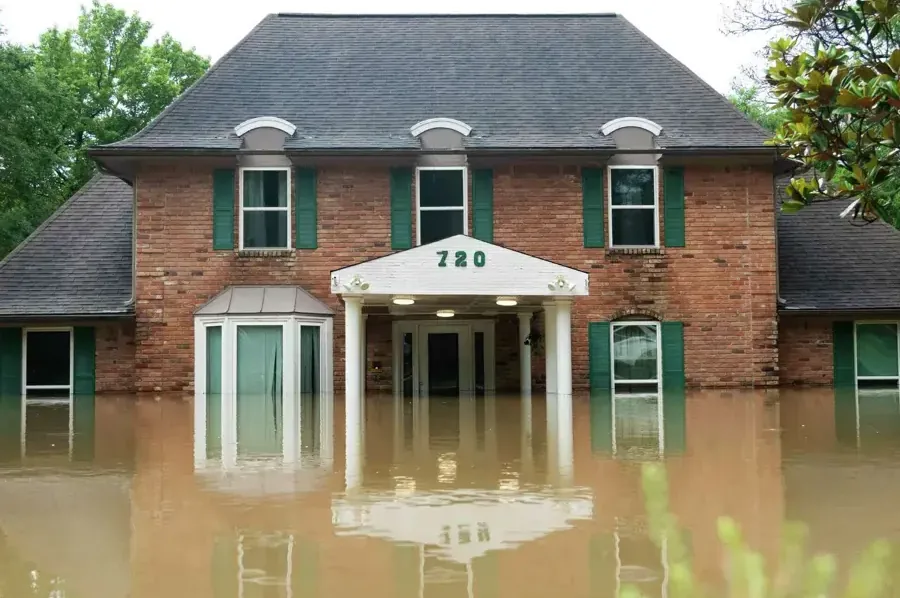
First steps for storm and river flood cleanup in Newton
- Make it safe Power is checked and nobody wades through floodwater before the area is assessed.
- Clear the depth Pumps remove standing water, then mud and silt are shoveled and rinsed out.
- Remove what is ruined Soaked drywall, insulation, pad and flooring are cut out and hauled away.
- Clean and dry Surfaces are sanitized and equipment runs until readings match a dry reference.
What does storm and river flood cleanup cost in Newton, NC?
Flood cleanup that stays in a crawl space or one room runs about $4,500 to $12,000. A full floor level reaches $12,000 to $35,000, and a whole house or business can run $35,000 to $90,000, because removal and sanitizing scale with the area.
Crawl space or one room
- Floodwater pumped
- Mud and silt cleared
- Surfaces sanitized
Full floor level
- Flooring and drywall removed
- Cleaning of framing
- Extended drying
Whole house or business
- All affected levels
- Large equipment fleet
- Daily monitoring
Ranges are typical, not a quote: the category of water, the square footage, the material class and how fast drying started move the number most. For a planning figure, try the water damage cost calculator.
How storm and river flood cleanup is handled, step by step
- NO1
Assess
Check power, access and how far the water reached.
- NO2
Clear
Pump the depth and remove mud and silt.
- NO3
Strip
Cut out and haul away materials that cannot be saved.
- NO4
Dry
Sanitize, then run equipment until readings settle.
Floodwater is different from a leak. It crosses roads, yards and drains before it reaches a building, so it brings mud, silt and contamination that clean supply water never carries.
What the November 2020 emergency showed
Between 3 and 5 inches of rain fell in about 20 hours, and the National Weather Service rated the damage threat as catastrophic. The Lyle, Snow and Falling Creek drainages were named as the most threatened in Catawba County, and emergency management reported flooded roads and evacuations.
Floodwater leaves mud and contamination in every material it touches, and a call now starts the cleanup.
(888) 578-4720Call about flooded roomsOrder of work after floodwater
Safety comes first: power is checked, and no one wades through the water. Pumps then clear the depth, mud and silt are shoveled and rinsed out, and soaked drywall, insulation and flooring are cut out and hauled away. Surfaces that stay are cleaned and sanitized before any drying equipment goes in, so the drying work is not wasted on contaminated surfaces.
Drying a structure after a flood
Floodwater soaks deep into framing, so dehumidifiers and air movers often run longer than after a pipe leak. Readings are logged each visit, and the work follows structural drying practice until the materials read dry. Lower levels have their own steps, covered under basement flooding cleanup.
Storm and river flood cleanup across Newton and nearby communities
Flood cleanup covers the whole city, including the downtown historic district, the neighborhoods along NC 16 and the Startown and Propst communities that the November 2020 warning listed among the places expected to see flash flooding.
The same service nearby: storm and river flood cleanup in Lincolnton, Conover, Hickory.
Related water damage services in Newton
Storm and River Flood Cleanup questions in Newton, NC
Is floodwater always treated as contaminated?
Yes. It crosses ground, drains and yards before it enters a building, so it is handled as Category 3 water. Porous materials it touches are usually removed rather than dried, because they cannot be made safe again.
Why does mud matter after a flood?
Silt carries bacteria and chemicals, and it settles into flooring and cavities. It has to be shoveled and rinsed out before cleaning and drying can work.
How is a flash flood different from a river flood?
A flash flood arrives fast after intense rain, as it did on November 12, 2020, while river flooding rises more slowly. The cleanup is the same once water is inside: removal, sanitizing and drying.
Can flooded drywall and insulation be saved?
Rarely. Both soak up contaminated water and hold it, so they are cut out and replaced. Solid framing can usually be cleaned, sanitized and dried in place.
Does homeowners insurance cover flood damage?
Standard homeowners policies often exclude rising water, and a separate flood policy may apply. The policy wording decides, and the drying logs and photos support whichever claim is filed.
Floodwater needs removal before drying
The mitigation team pumps the water, clears mud and silt, removes ruined materials and dries the structure for repairs.
- Lincoln County, NC
- Open every hour, every day