Storm and River Flood Cleanup in Conover, NC
When creeks rise and storm water enters a building, the loss is more than wet. Silt, debris and contaminated water have to be removed before drying can begin, and the whole structure is checked for what the flood reached.
(888) 578-4720Clear flood water and silt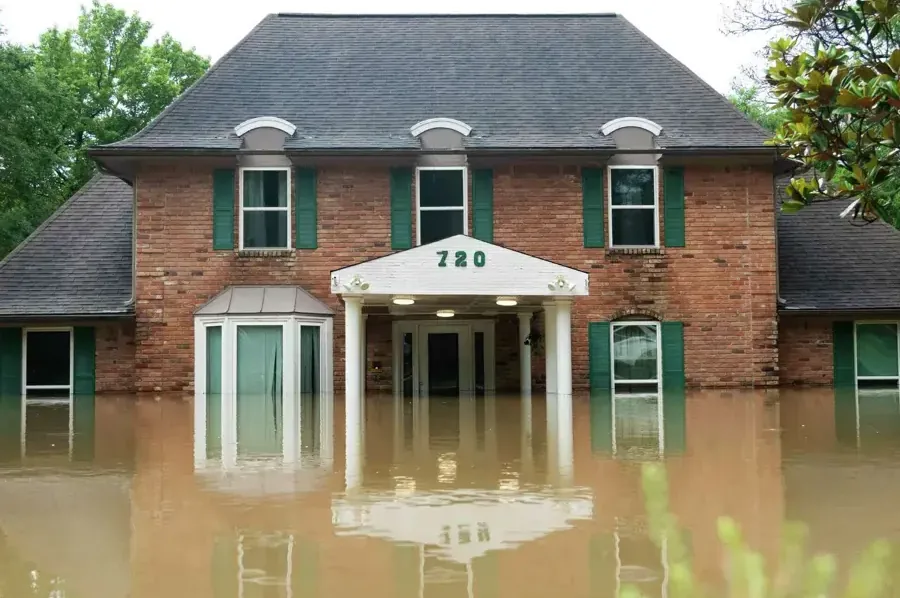
First steps for storm and river flood cleanup in Conover
- Stay out of the water Floodwater can carry sewage and live current, so wait until the power is off before wading in.
- Mark how high it rose Photograph the stain the water left on walls and furniture before cleanup begins.
- Save what is dry Move papers, photos and medicines to a dry upper shelf.
- Report the loss Tell the crew what the water reached and whether sewage or drain water was involved.
What does storm and river flood cleanup cost in Conover, NC?
Flood cleanup costs more than a clean water leak because the water must be treated as contaminated and more materials come out. These ranges reflect typical jobs, and the final figure follows the floor area flooded and the depth of the water.
Crawl space or one room
- Pump out and cleanout
- Contaminated materials removed
- Disinfecting and drying
Full floor level
- Silt cleanout throughout
- Flooring and drywall removed
- Longer equipment run
Whole house or business
- Structure wide removal
- Extended drying and cleaning
- Several trades coordinated
Ranges are typical, not a quote: the category of water, the square footage, the material class and how fast drying started move the number most. For a planning figure, try the water damage cost calculator.
How storm and river flood cleanup is handled, step by step
- NO1
Secure
Power is confirmed off and the water depth is checked.
- NO2
Clear
Mud, silt and soaked contents are removed and bagged.
- NO3
Treat
Hard surfaces and framing are cleaned and sanitized.
- NO4
Dry
Equipment runs until moisture readings meet the dry goal.
Flooding from a creek, a street or a storm drain is different from a pipe leak because the water has crossed the ground first. It brings silt, bacteria and debris indoors, so cleanup and drying are two separate jobs that run in order.
Why creek water here matters
On November 12, 2020 the National Weather Service named the Lyle, Snow and Falling Creek drainages among the most threatened areas of a flash flood emergency that covered Greater Newton, Conover and Hickory. After Hurricane Helene, more than 140 tons of logs and debris clogged Lyle Creek before volunteers cleared it.
Floodwater in the building? Call now, any hour, and describe how high it rose so the crew can plan pumps, cleanout and drying.
(888) 578-4720Conover flood cleanup helpCleanout comes before drying
Mud and silt are shoveled and vacuumed out first, then carpet, padding, soaked drywall and insulation are removed, because floodwater leaves them contaminated. A crawl space or lower level is pumped out before anything else. Hard surfaces are washed and treated with an antimicrobial before the drying equipment goes in.
Drying a flooded structure
Framing and subfloor hold floodwater long after the surface looks clean, so readings set how long equipment runs. Anything that stayed under water for long, such as a wall base or cabinet kick plate, is checked for swelling. Related work is covered under structural drying and crawl space water removal, and the same crew handles both.
Storm and river flood cleanup across Conover and nearby communities
Flood cleanup covers homes and businesses across Conover, including the areas around Lecho Park, the Bolick Historic District and downtown, and the properties along NC 16 and US 70, wherever a creek, street or storm drain sends water into a building.
The same service nearby: storm and river flood cleanup in Lincolnton, Newton, Hickory.
Related water damage services in Conover
Storm and River Flood Cleanup questions in Conover, NC
Is floodwater always treated as contaminated?
Water that came from a creek, street or storm drain is classed as Category 3 because it carries bacteria and debris. Even if it looks clear, the standard is to remove porous materials and disinfect.
How long after a flood can cleanup wait?
The sooner the better, since wet drywall and padding start to degrade and mold can start within a day or two. Waiting also lets silt dry into a crust that is harder to remove.
Does the cleanup include the crawl space?
Yes. A flooded crawl space is pumped out, the wet insulation is removed and the joists are dried as part of the same job, because moisture below the floor keeps feeding the rooms above.
What should be saved before cleanup starts?
Photographs of the damage, a list of ruined contents and any damaged items the adjuster may want to see. Keep receipts for emergency supplies, and do not discard flooring until it has been photographed.
Can a flooded house be dried instead of gutted?
Sometimes. Solid wood framing, concrete and many hard floors can be cleaned and dried in place, while carpet, padding, insulation and drywall that touched floodwater are usually removed. Moisture readings decide where the cut is made.
Get the flood crew to the water
Silt dries into a crust and wet materials break down with time. Tell the crew what the water reached and both jobs get planned together.
- Lincoln County, NC
- Open every hour, every day