Water Damage Restoration Huntersville, NC
Burst pipes, failed appliances, storm runoff and sewage backups all get the same urgent start in Huntersville: water out, wet materials mapped with meters, and drying equipment set before damage spreads through floors and walls.
(888) 578-4720Call for water damage help now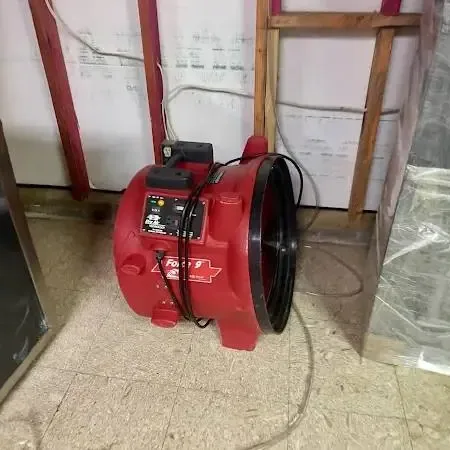
Five steps from the first call to a dry building
- NO1
Stop the source
Close the main valve or the appliance shutoff, and stay away from electrical panels if water is near them.
- NO2
Call and describe
Say what leaked, which rooms are wet and how long it has run. That sets the crew and the equipment.
- NO3
Photograph first
Take pictures of the damage and of affected belongings before anything is moved, since adjusters study them first.
- NO4
Lift the water
Pumps and extractors remove standing water, then soaked padding and ruined materials come out.
- NO5
Dry and verify
Air movers and dehumidifiers run while meter readings are logged until the framing reads dry.
Every kind of water damage, one team
Choose the kind of water loss closest to what happened. Each service below explains the drying approach, the typical cost range and the usual cleanup steps.
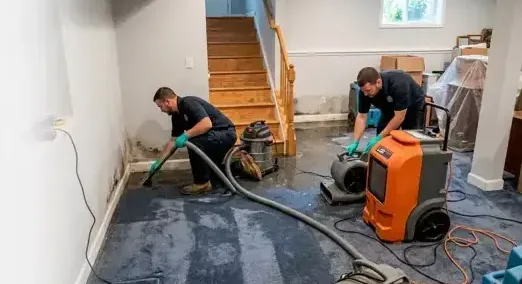 01Water Extraction and RemovalPumps and extractors lift standing water from floors, carpet and padding before drying begins.See the service
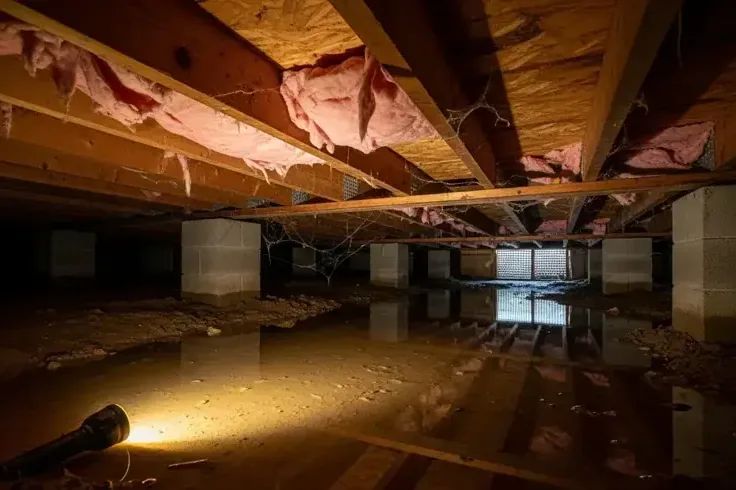 02Crawl Space Water RemovalWater pumped off the crawl space floor, then the space dried and checked.See the service
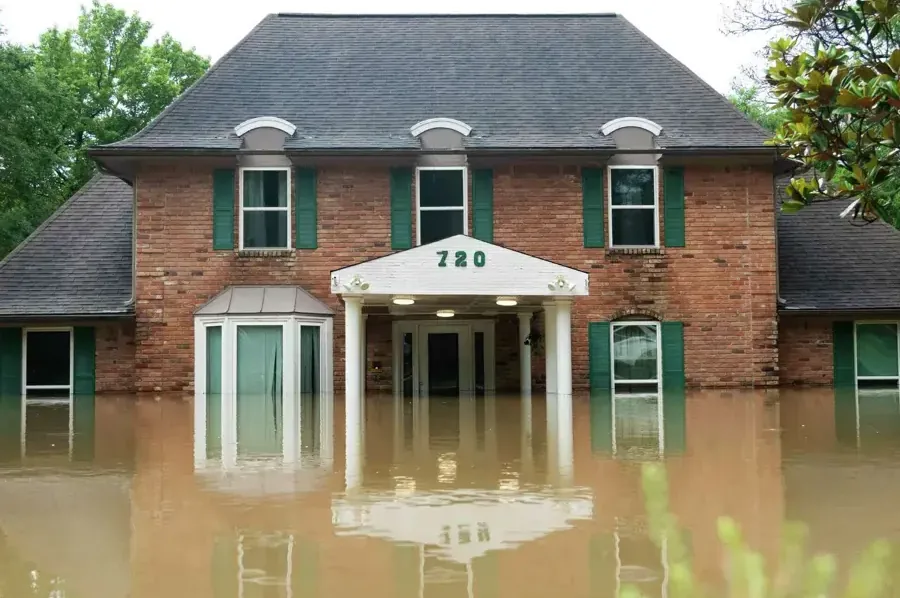 03Storm and River Flood CleanupCreek, lake and storm water cleared from homes and shops, with mud removed and surfaces sanitized.See the service
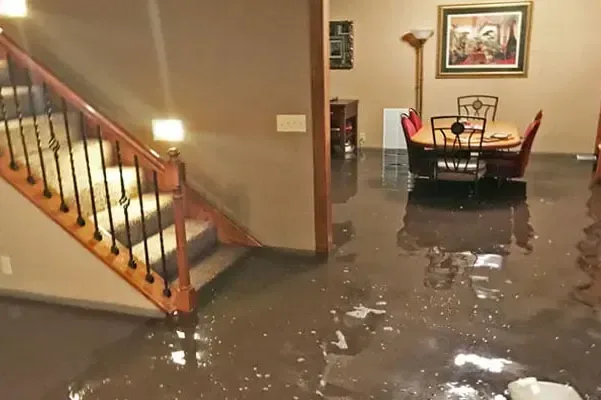 04Basement Flooding CleanupLower levels pumped out, wet drywall and flooring pulled, and the structure dried.See the service
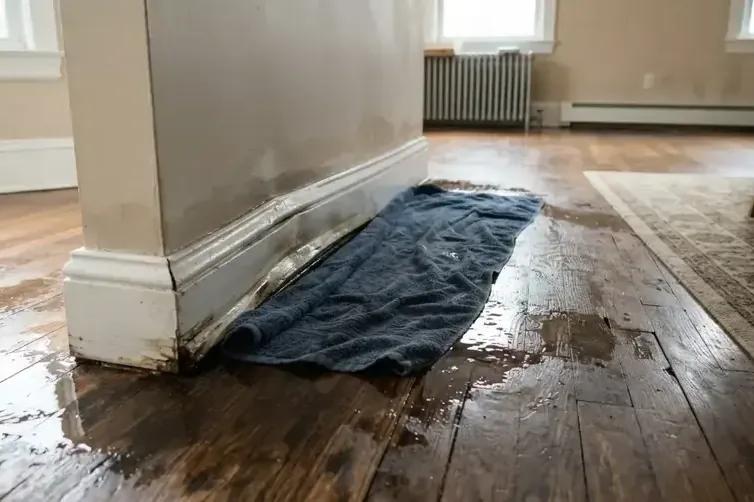 05Burst Pipe Water DamageWater shut off at the source, then walls, ceilings and floors dried back to normal readings.See the service
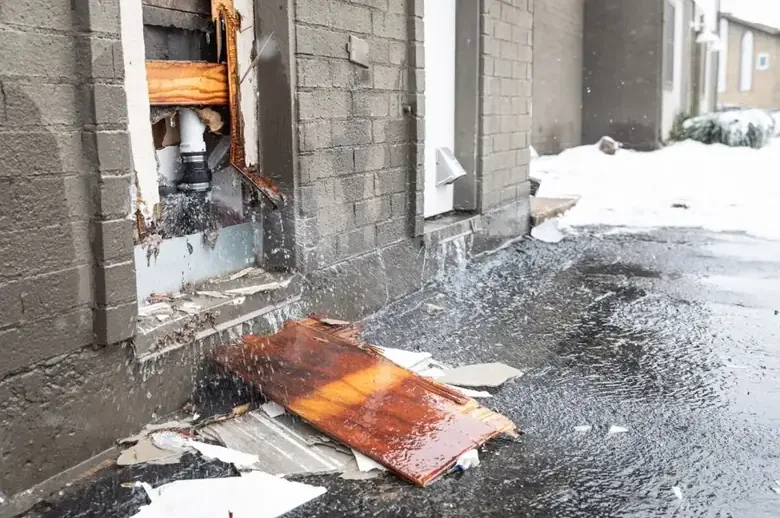 06Frozen Pipe Water DamageSplit pipes found after a thaw, with wet insulation and drywall dried out quickly.See the service
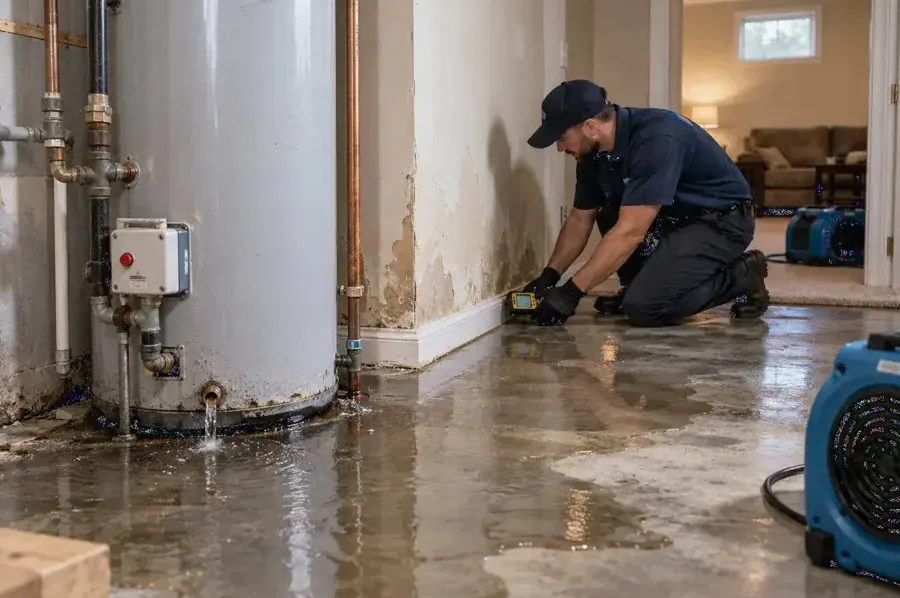 07Water Heater Leak CleanupTank leaks in garages, closets and attics dried before wood and drywall stay damp.See the service
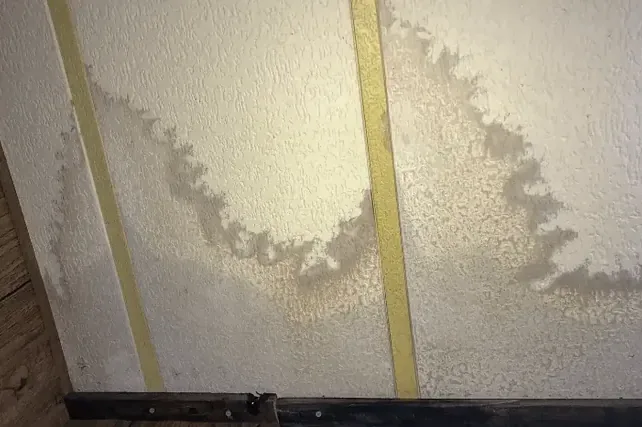 08Ceiling Leak Water DamageWet ceiling panels and insulation removed, the drip source traced and the space dried.See the service
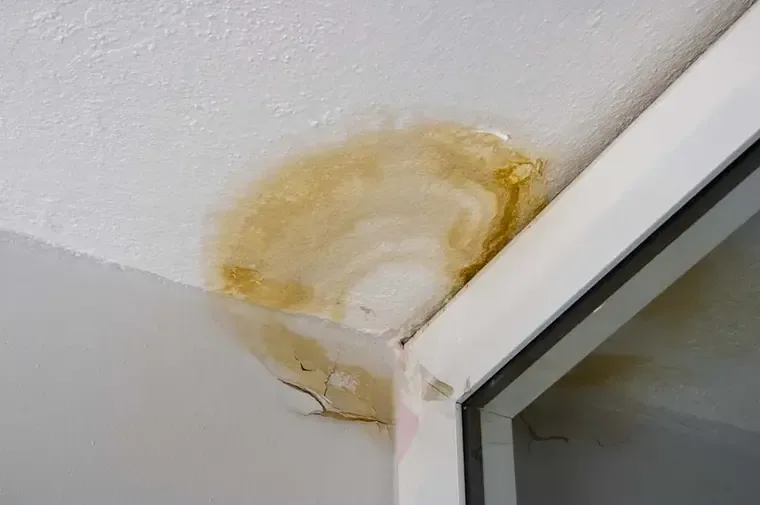 09Roof Leak Water DamageAttic insulation, decking and ceilings below dried after rain finds a way inside.See the service
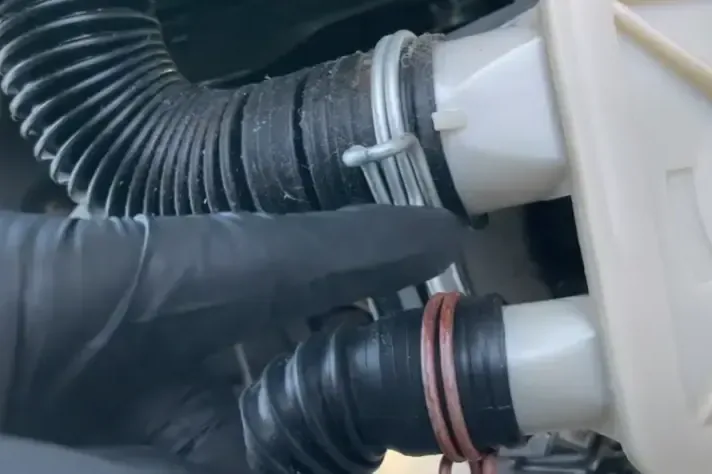 10Appliance and Supply Line LeaksWasher, dishwasher and refrigerator leaks traced, then floors and cabinets beneath dried.See the service
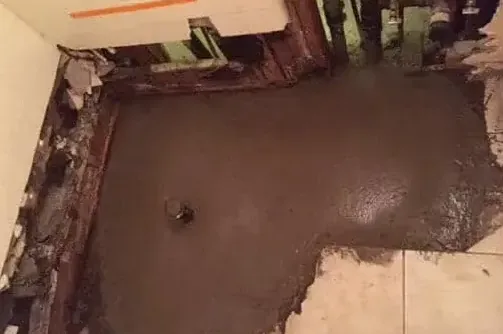 11Slab Leak Water DamageConcrete, flooring and baseboards dried after a pipe leaks under the slab.See the service
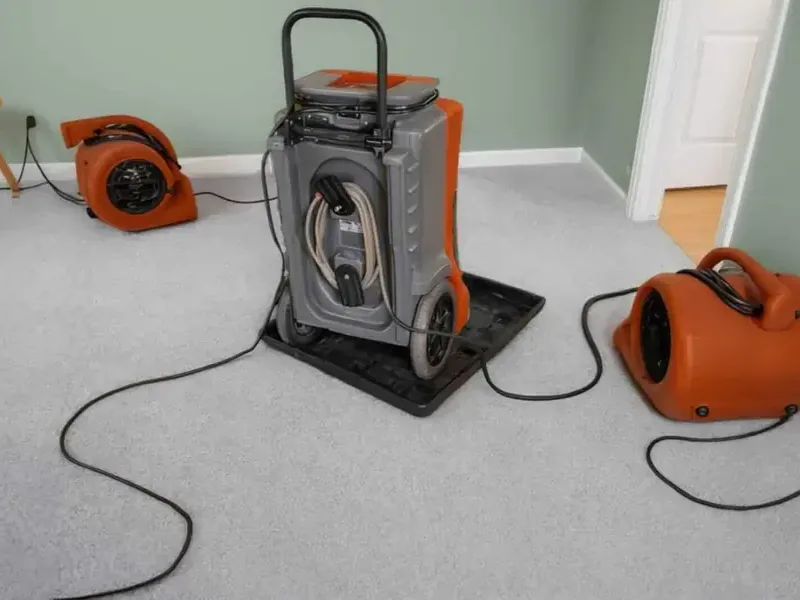 12Structural Drying and DehumidificationAir movers and dehumidifiers matched to moisture readings, room by room.See the service
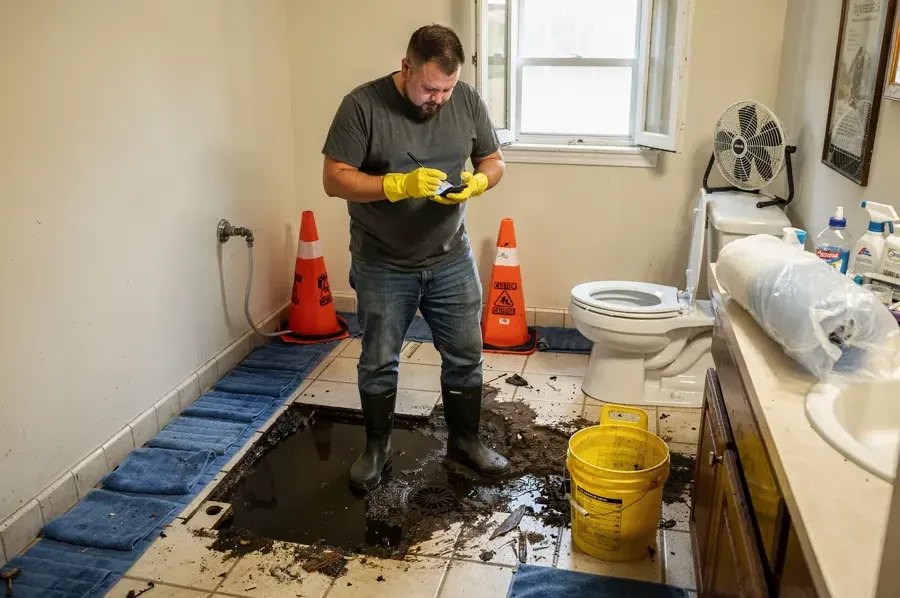 13Sewage Backup CleanupContaminated water removed, affected materials discarded and the area sanitized safely.See the service
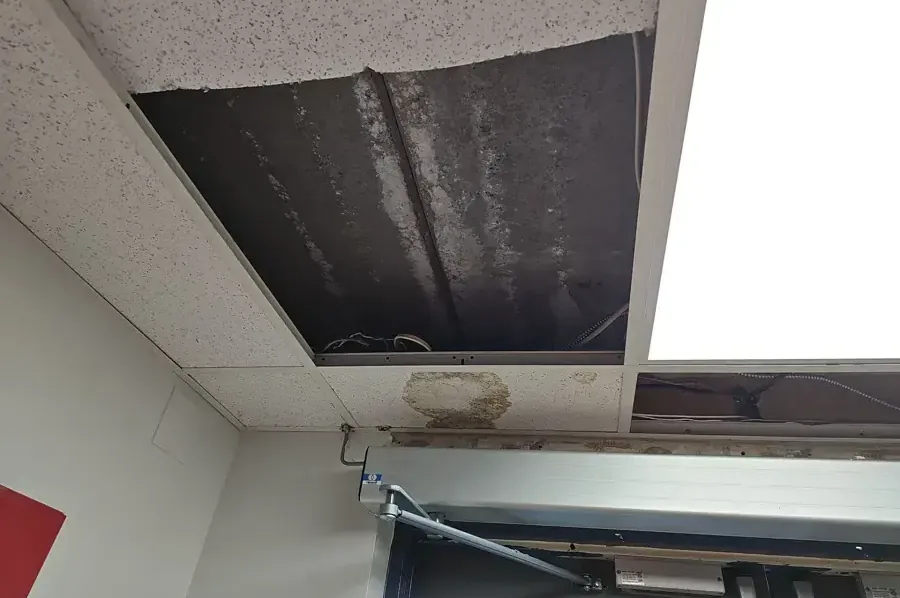 14Commercial Water DamageShops, offices and apartment buildings dried with little disruption to open hours.See the service
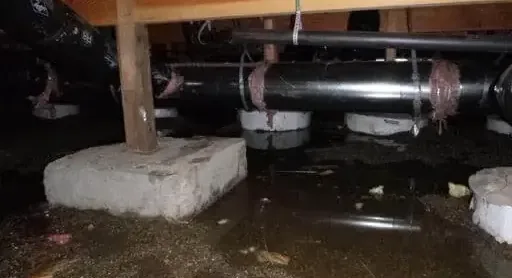
Water under the floor needs its own plan
Crawl spaces trap moisture below a home, where insulation, joists and subfloor stay wet long after the visible water is gone. The extraction crew pumps the ground clear, then the space is dried and checked.
- Standing water pumped off the soil
- Wet insulation pulled out when it is ruined
- Joists and subfloor checked with moisture meters before anything is closed up
Drying set by meter readings, not guesswork
- NO1
Assess
Meters and a thermal camera find which materials hold water and how far it spread beyond what is visible.
- NO2
Remove
Standing water is pumped out, and unsalvageable pad, drywall and insulation are cut out and bagged for disposal.
- NO3
Dry
Air movers and dehumidifiers surround the wet zone and are adjusted as the readings change at each visit, so no pocket stays damp.
- NO4
Confirm
Final readings are compared with dry reference points, and the records are ready for the insurance adjuster and the property owner.
Every job follows the IICRC S500 water damage standard: moisture is measured, equipment is placed to match it, and readings decide when drying stops.
Leaks that start inside the home
Water heater leaks
A failing tank or fitting can soak a garage floor or closet wall for days before anyone notices the puddle.
Water heater leak cleanupAppliance and hose leaks
Washer hoses, dishwasher seals and refrigerator tubing drip into cabinets and flooring out of sight.
Appliance leak cleanupStorm and creek flooding
Heavy rain and rising creeks push muddy water into lower levels, calling for pump-out, removal and sanitizing.
Storm flood cleanupA response built for how fast water spreads
Water keeps moving into drywall, subfloors and framing, so the early choices matter more than any later repair.
Open any hour
Leaks do not keep office hours, so calls are treated as urgent at night, on weekends and on holidays all year.
Costs explained
Price follows the water category, the area affected and the materials involved, and the ranges shown here lay that out openly.
Documented work
Moisture logs, photos and equipment records back up the claim and show the adjuster the structure was dried properly.
Whole-job scope
Extraction, demolition, drying and sanitizing are coordinated together instead of split among several separate vendors who each need scheduling.
What water damage restoration usually costs
Most jobs land between $1,200 and $25,000, and the water category, the size of the wet area and the time the water sat decide where a job falls. Clean water caught early sits in the lowest tier.
Single room, found quickly after the leak
- Standing water extracted
- Air movers placed and running
- Moisture readings logged daily
A few rooms affected
- Wet pad and low drywall cut out
- Drying equipment set in each room
- Monitoring visits with readings
Whole floor or sewage water
- Contaminated materials discarded safely
- Sanitizing of every surface
- Extended drying with daily checks
Ranges assume no hidden structural damage and are firmed up once the crew checks moisture readings in person. The scope can change as walls are opened, and a covered claim may pay part of the work.
Documenting water damage for your insurer
Adjusters want proof of the cause, the extent and the steps taken. Good records from the start keep a covered claim moving.
- Photos of each wet room and item
- Dated moisture readings for every area
- Equipment placement and run time logs
- Itemized list of discarded materials
- Written scope that matches the invoice
If you file the claim yourself
Call the insurer's claim number early, describe the loss plainly and ask what the policy requires before demolition. Keep damaged items until the adjuster has seen them or approved disposal.
Do not wait on the adjuster to start drying, since delay can turn a clean water loss into a much larger one.
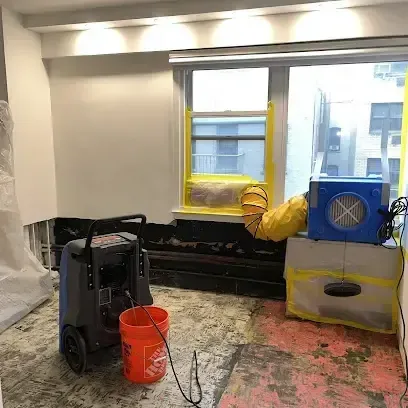
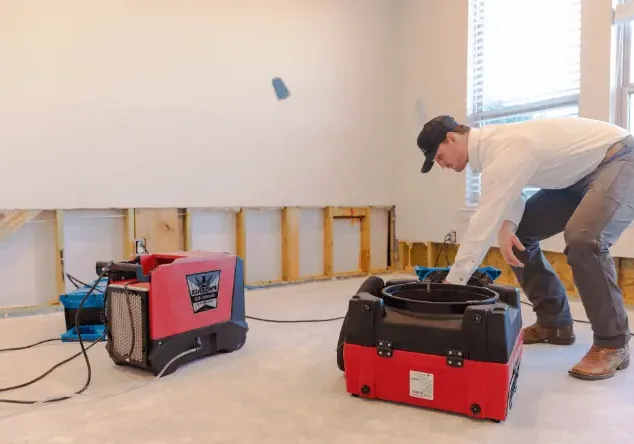
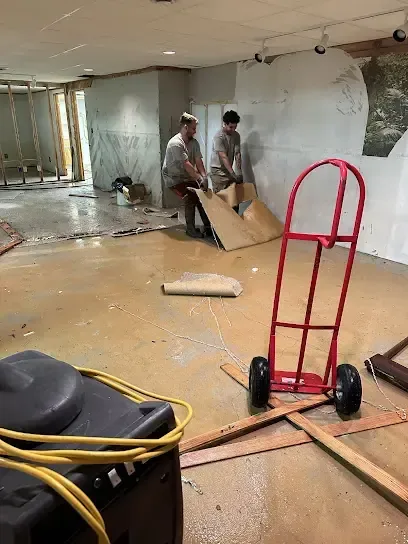
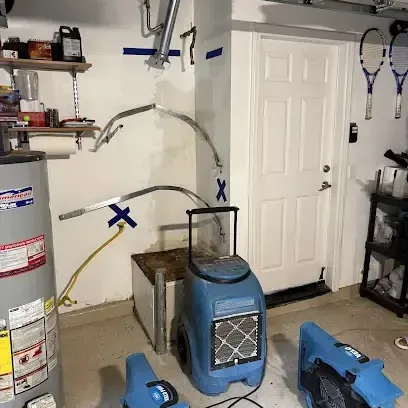
Stages of a dry-out, from opened ceilings to drying equipment
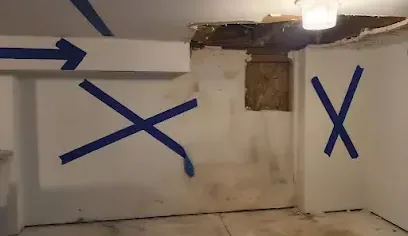
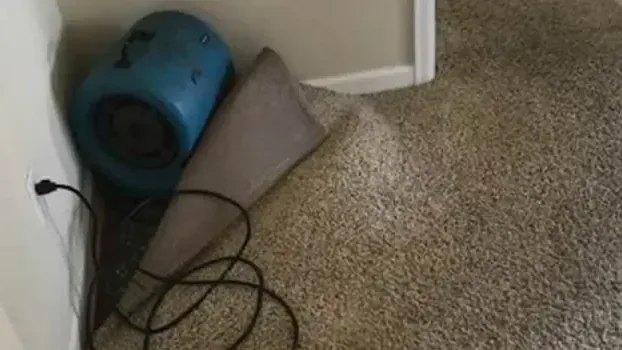
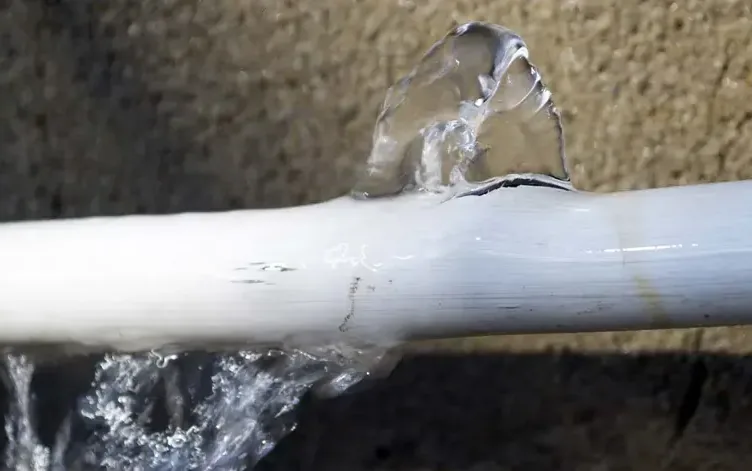
Coverage from the lakes to the town center
ZIP codes
Reach the crew from anywhere in town
Whether the damage is near Lake Norman, around Birkdale Village or on the east side toward Clarke Creek, one call starts the job.
Describe what happened and where the water is, and the restoration team explains the first steps and what to do until help reaches the property.
Huntersville, NC · [email protected]
(888) 578-4720Call about your water damageRoads and areas covered
Nearby towns
Water in Huntersville comes from lakes, creeks and plumbing
Huntersville sits between Lake Norman and Mountain Island Lake, and its drainage splits at NC 115 toward McDowell Creek on the west and Clarke Creek tributaries on the east.
- Lake edges Lake Norman borders the northwest and Mountain Island Lake the southwest, so docks, boat storage and lower rooms near the shore face storm runoff as well as ordinary leaks.
- NC 115 west side Land west of that road drains southwest through McDowell Creek toward Mountain Island Lake, so heavy rain sends water that way.
- NC 115 east side East of that road, tributaries of Clarke Creek carry runoff toward the Rocky River in the Pee Dee watershed.
- Gilead Road floodplain The county described that parcel as subject to periodic and severe flooding, a reminder that creek floodplain sits inside town limits.
- Apartments and mixed use In a 52-acre community like Birkdale Village, a leak upstairs can reach ceilings and units below, including the apartments at Haven at Birkdale Village.
June 2019 Mecklenburg County Storm Water Services proposed a voluntary purchase of a flood-prone residential parcel on Gilead Road, inside a FEMA-designated floodplain along McDowell Creek.
Common water damage questions
How fast does water damage spread?
Water wicks into drywall, baseboards and subfloors within hours, and wet wood and paper-faced materials can support mold growth in 24 to 48 hours. Early extraction limits how far it travels.
Does insurance cover water damage?
Sudden events like a burst pipe or an appliance failure are often covered, while slow leaks and flooding from outside usually need separate coverage. The policy wording decides, so ask the insurer what applies.
What should I do before the crew gets there?
Close the water source, move small valuables out of the wet area and photograph everything. Stay out of rooms with standing water near outlets, do not run a household vacuum on it, and do not walk under a sagging ceiling.
Can wet carpet be saved?
Clean water carpet caught early is often dried in place, while the padding is usually replaced, since pad is cheap and hard to dry. Gray or black water means the carpet itself is discarded because it cannot be sanitized reliably.
How long does drying take?
Most jobs need several days of equipment, and the exact time depends on the materials, the humidity and how many rooms are wet. Daily moisture readings decide when the machines come out, not a calendar.
Are flood and sewage water handled differently?
Yes. Floodwater and sewage count as contaminated Category 3 water, so porous materials are removed, protective gear is worn and surfaces are sanitized before drying begins.
Is flooding a concern near the lakes and creeks?
Creek floodplain land exists inside town limits: in June 2019 the county proposed a voluntary buyout of a flood-prone Gilead Road parcel along McDowell Creek. Any property taking on storm water follows the same pump-out and drying steps.
What does a commercial water loss involve?
Shops, offices and restaurants need drying that fits business hours, with containment and phased work so tenants can keep operating where possible. Moisture logs also support commercial insurance claims.
Can the restoration team work with my adjuster?
Yes. The team shares photos, moisture logs and itemized scopes in the form adjusters ask for, but the claim itself stays between the property owner and the insurer.
How is the cost decided?
Cost follows the water category, the number of rooms and the materials affected. A walkthrough with meter readings sets the scope, and the ranges above show how those factors move the price, and the final scope can change once walls are opened.
Water in the house now? Stop the source if it is safe, then call. The restoration team can talk through the next steps while the water is still being contained.
(888) 578-4720Call and get the crew movingWater damage in Huntersville? Start the dry-out now.
Close the valve if you can, then call. The drying team handles the rest.
- Lincoln County, NC
- Open every hour, every day