Storm and River Flood Cleanup in Lincolnton, NC
When the South Fork, Clark Creek or a summer downpour pushes water into a home, the flood crew treats it as Category 3, pumps it out, removes soaked porous materials and dries the structure to the S500 goal.
(888) 578-4720Start the flood pump-out before the silt dries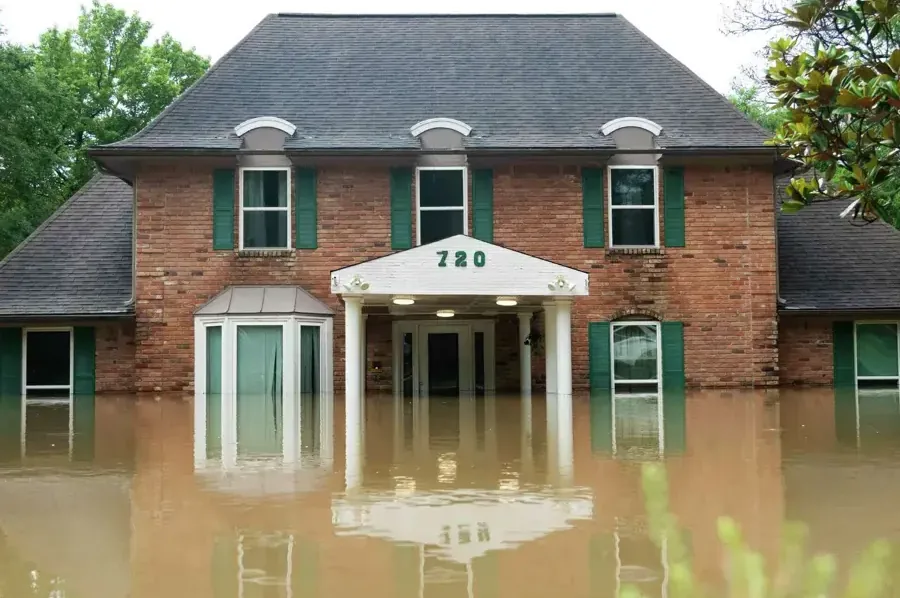
First steps for storm and river flood cleanup in Lincolnton
- Stay out of moving water Do not drive or walk through flood water; it hides currents, holes and debris.
- Cut the power safely Switch off the breaker only if you can reach the panel without standing in water.
- Document the waterline Photograph the high-water mark on the walls and every damaged item.
- Call the flood insurer Report the loss early; flood claims have their own process and deadlines.
What does storm and river flood cleanup cost in Lincolnton, NC?
Storm and river flood cleanup usually runs $4,500 to $12,000 for a crawl space or one lower room, and $12,000 to $35,000 when a full floor level takes water, because porous materials come out and every surface gets treated before drying.
Crawl space or one room
- Pump-out and silt removal
- Porous materials removed
- Antimicrobial treatment
Full floor level
- Flood cuts on drywall
- Flooring and insulation removed
- Large drying setup
Whole house or business
- Phased removal and drying
- Containment zones
- Detailed claim records
Ranges are typical, not a quote: the category of water, the square footage, the material class and how fast drying started move the number most. For a planning figure, try the water damage cost calculator.
How storm and river flood cleanup is handled, step by step
- NO1
Secure
The crew checks power, gas and the structure before work starts.
- NO2
Pump out
Standing water and mud leave the house first.
- NO3
Remove
Wet porous materials come out above the waterline.
- NO4
Clean and dry
Surfaces get treated, then dried to readings.
Water that comes in from outside is never clean. Creek and river water carries silt, fuel, fertilizer and sewage, so storm and flood cleanup starts with containment and removal, not just drying.
When the South Fork and Clark Creek rise
The city sits on the northeastern side of the South Fork Catawba River, with Clark Creek joining it on the northwest side. On July 27 and 28, 2013, up to a foot of rain fell on parts of the county and the South Fork rose about 12 feet above flood stage near Long Shoals. Low lots near the river and creek take water first, and runoff on sloped streets finds crawl spaces and walk-out basements.
River or creek water in the house? Containment and removal come first, then the drying that makes a rebuild possible.
(888) 578-4720Get Category 3 flood removal underwayWhat flood cleanup removes
- Standing water and mud, pumped and shoveled out
- Carpet, pad and upholstered items that soaked
- Drywall and insulation cut out above the waterline
- Hard surfaces cleaned and treated with an EPA-registered antimicrobial
Drying a flooded home the right way
After removal, the drying team runs air movers and LGR dehumidifiers through the opened walls and floors, with readings logged daily. Framing, subfloor and slab dry to within 2 to 4 points of a dry reference before rebuilding starts. Flood losses usually fall under separate flood coverage, so the moisture map and photos matter for that claim too. Basement flooding cleanup covers below-grade spaces.
Storm and river flood cleanup across Lincolnton and nearby communities
The restoration team covers ZIP 28092 and 28093, from the Court Square blocks and the West Main and South Aspen historic streets out to Boger City, Laboratory, the Bonview Avenue neighborhood and the low ground along Clark Creek and the South Fork.
Nearby coverage reaches Cherryville, Newton, Conover, Hickory, Iron Station, Crouse, Vale, Maiden.
Related water damage services nearby
Storm and River Flood Cleanup questions in Lincolnton, NC
Is flood water from the river dangerous?
Yes. River and creek water counts as Category 3 because it can carry sewage, chemicals and bacteria. Keep children and pets out, wear boots and gloves, and leave soaked materials to the flood crew.
Does homeowners insurance cover storm flood water?
Water rising from outside usually is not covered by a standard homeowners policy and falls under separate flood insurance. Wind-driven rain through a damaged roof can be different. Check your own policies.
What gets thrown out after a flood?
Carpet, pad, insulation, upholstered furniture and drywall that soaked with flood water usually come out. Hard surfaces like tile, metal and sealed wood are cleaned, treated and dried.
How high do the walls get cut after a flood?
Drywall is usually cut out a set distance above the visible waterline, because water wicks higher than it looks. Moisture readings decide the exact height.
How long does flood cleanup and drying take?
Once removal is done, drying often takes four to seven days. A whole floor level, plaster walls or a long delay before work started can add time.
Can storm flood cleanup start before the adjuster visits?
Usually yes, if everything is photographed and documented first. Waiting lets damage spread, and most policies expect reasonable steps to prevent further loss.
Flood water inside the home?
The flood crew pumps out the water and mud, removes soaked materials, treats the surfaces and dries to readings.
- Lincoln County, NC
- Open every hour, every day