Water Damage Restoration Conover, NC
Water in a Conover home spreads into floors, walls and insulation faster than most owners expect. The restoration team pumps out standing water, removes what cannot dry, and sets drying equipment to bring the structure back to normal. Call now, any hour.
(888) 578-4720Bring in the extraction crew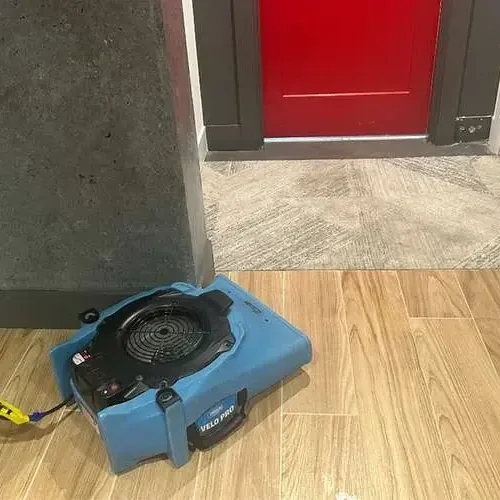
Five steps that limit damage before drying begins
- NO1
Stop the source
Close the main shutoff, or the valve at the leaking fixture, so no more water reaches the floor and nearby walls.
- NO2
Cut the power
Turn off breakers for wet rooms and stay out of standing water near outlets.
- NO3
Move what you can
Lift small furniture, rugs and papers onto dry, high surfaces so they stop wicking up water.
- NO4
Photograph the damage
Record every wet area and the source before anything is moved or thrown out.
- NO5
Call the crew
Describe what is wet and how long it has been. The restoration team plans extraction and drying from that.
Water losses the restoration team handles
Each service below links to a detailed write up of the work, the usual cost ranges and the questions Conover owners ask most. Choose the one that matches the damage.
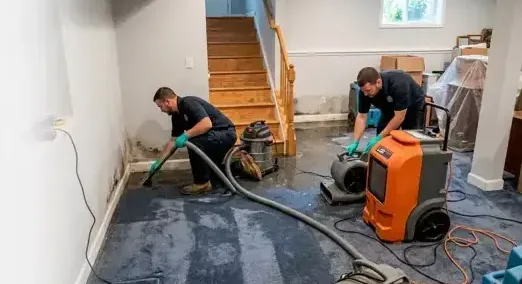 01Water Extraction and RemovalPumps and extractors pull standing water from floors and carpet before it settles.See the service
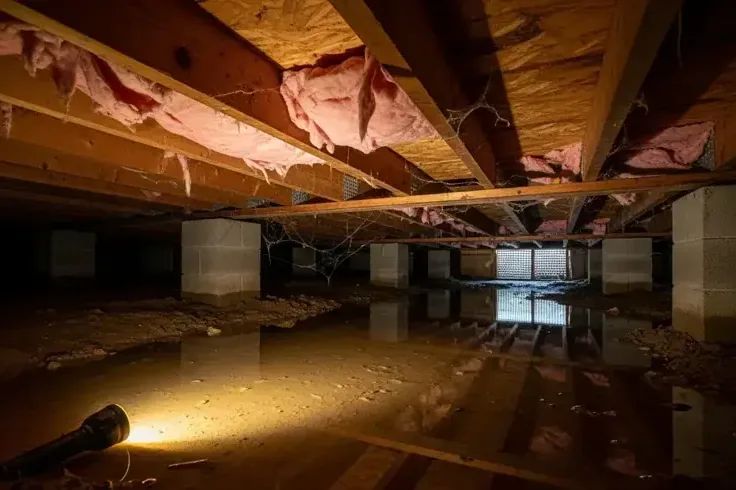 02Crawl Space Water RemovalWater pooled under the floor is pumped out and the joists are dried.See the service
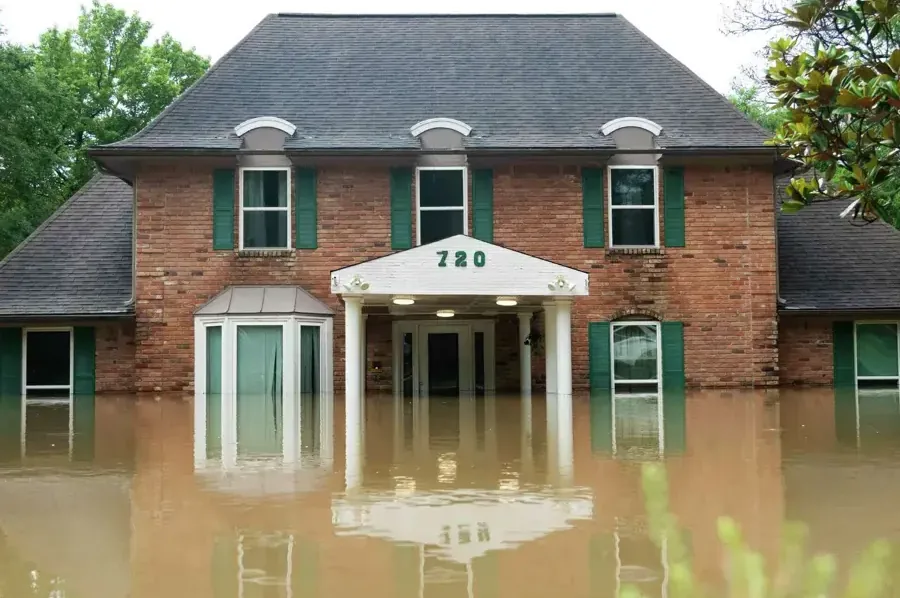 03Storm and River Flood CleanupCreek and storm flooding leaves silt and soaked materials that need cleanout and drying.See the service
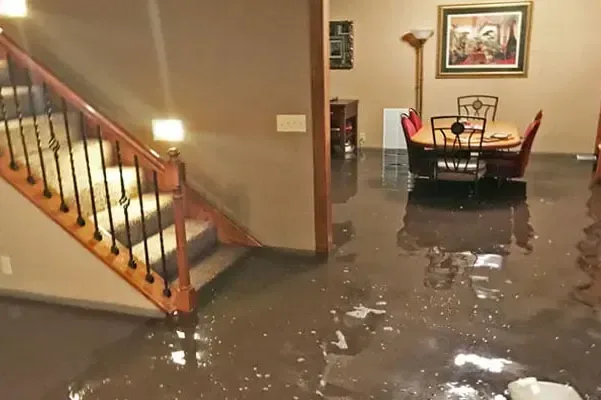 04Basement Flooding CleanupBelow grade water is pumped out and the wet space is dried completely.See the service
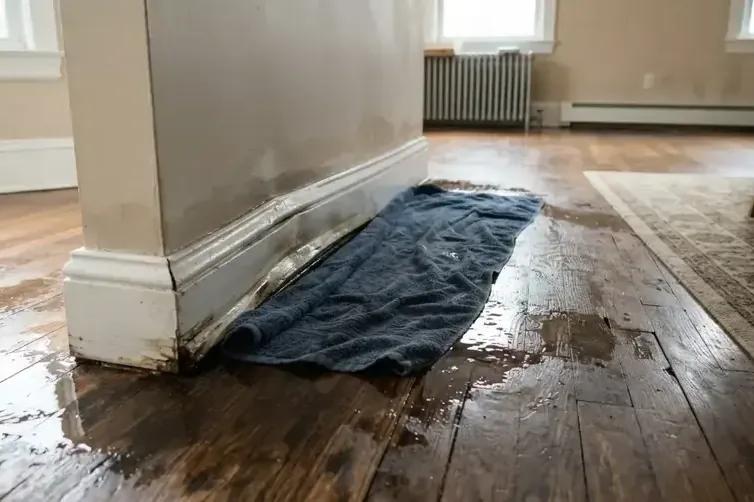 05Burst Pipe Water DamageA split pipe soaks walls and floors fast, so extraction and drying start early.See the service
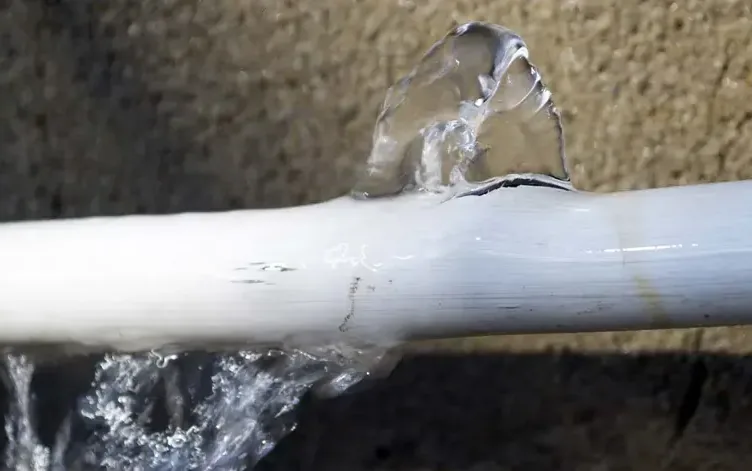
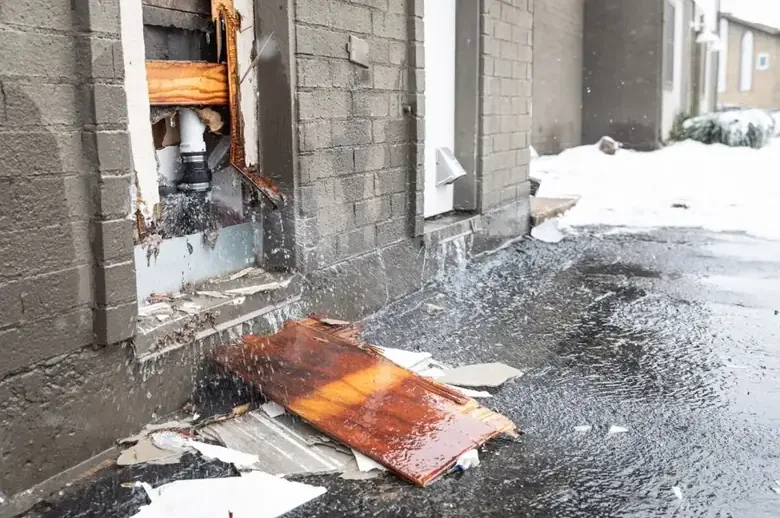 06Frozen Pipe Water DamageA pipe that froze and split can flood hidden wall cavities once it thaws.See the service
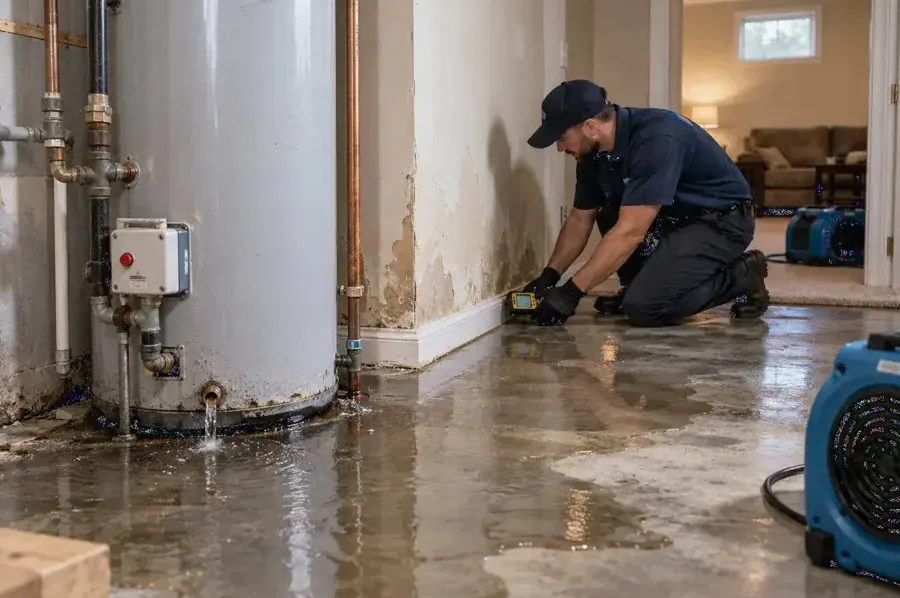 07Water Heater Leak CleanupA leaking tank or fitting wets nearby floors and sometimes the ceiling below.See the service
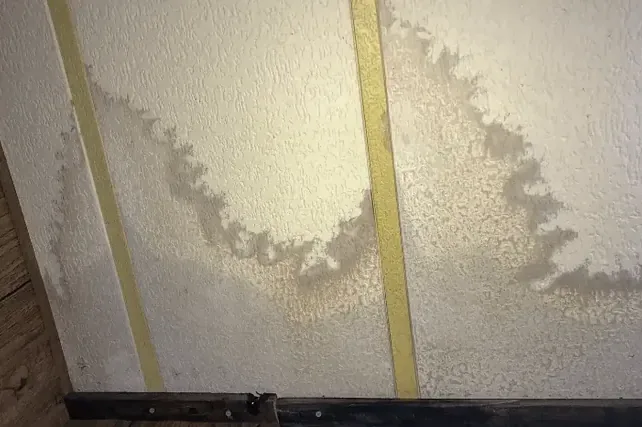 08Ceiling Leak Water DamageWet drywall and insulation are traced to the source, opened where needed and dried.See the service
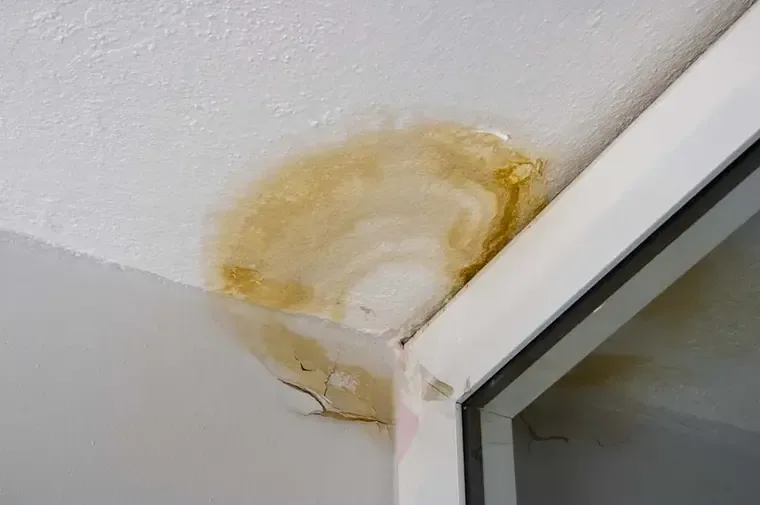 09Roof Leak Water DamageRain coming through the roof soaks the attic and the rooms below it.See the service
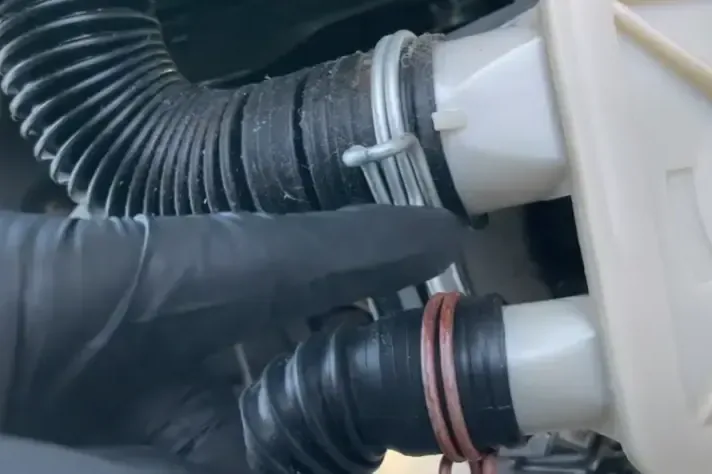 10Appliance and Supply Line LeaksWasher, dishwasher and refrigerator hose leaks soak floors quietly until stains show.See the service
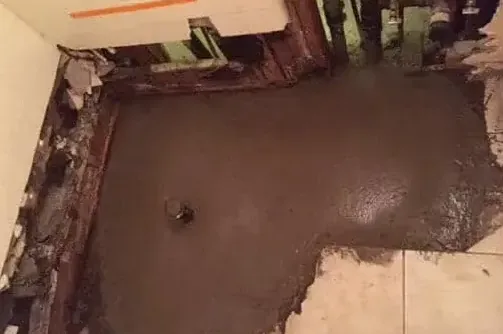 11Slab Leak Water DamageA leak under the concrete slab keeps floors damp from below until it is fixed.See the service
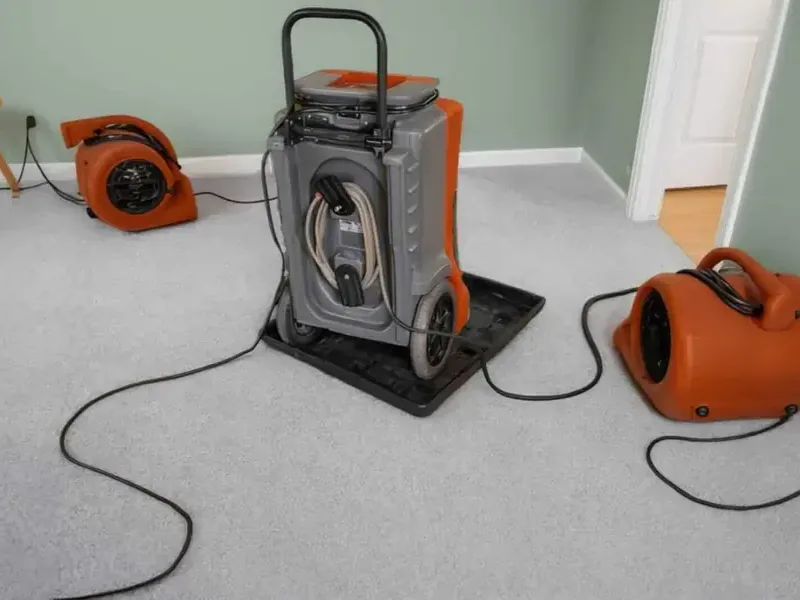 12Structural Drying and DehumidificationAir movers and dehumidifiers pull moisture out of framing, subfloor and drywall.See the service
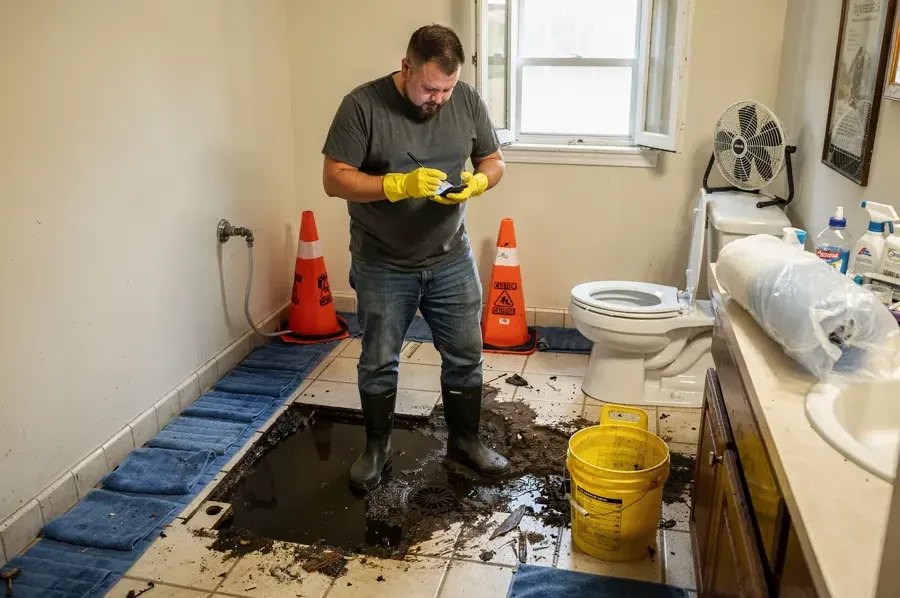 13Sewage Backup CleanupContaminated water is removed and affected materials are cleaned out and disinfected.See the service
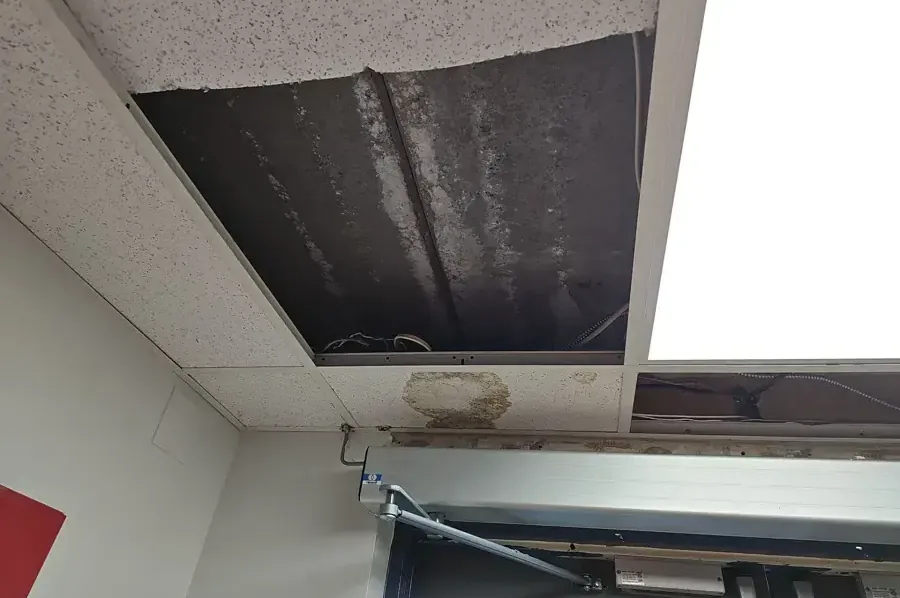 14Commercial Water DamageShops and offices need quick extraction and drying to limit downtime.See the service
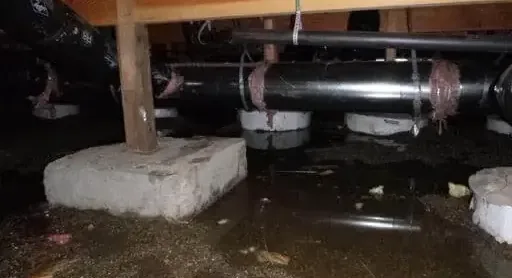
Standing water below the floor needs a proper pump out
Heavy rain and creek drainage are the water pressures on record here, and what pools beneath a floor does not drain on its own. The crew pumps it out, removes wet materials and dries the joists.
- Pump out and extraction of all pooled water
- Wet insulation and vapor barrier material removed
- Joists and subfloor dried to a safe moisture level
A drying plan built on measured moisture
- NO1
Find the water
Moisture meters and thermal imaging trace where the water traveled, including behind baseboards and under flooring that looks dry.
- NO2
Remove the water
Pumps and extractors remove standing water first, since every gallon left behind has to be dried out later.
- NO3
Dry the structure
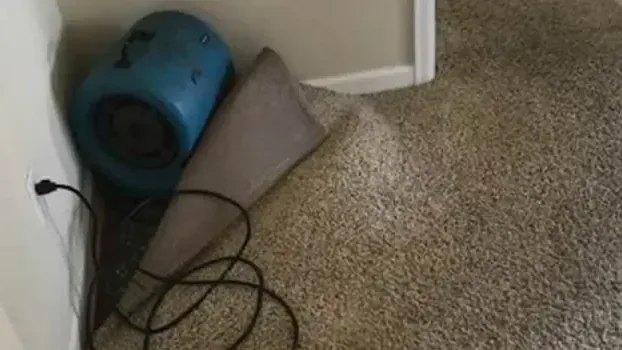
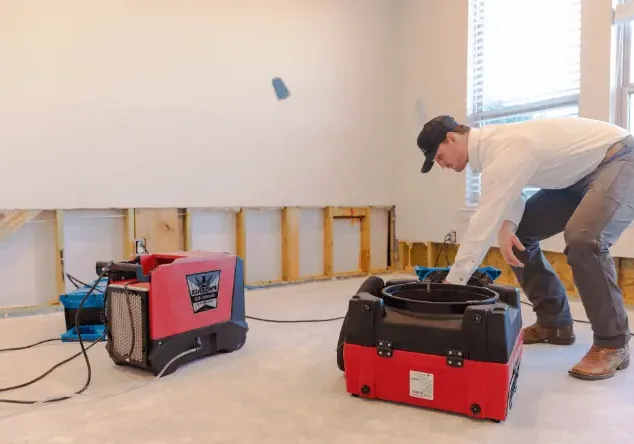
Air movers and dehumidifiers are set from the readings, and materials that cannot be saved are removed.
- NO4
Confirm it is dry
Readings are taken again on each material, and equipment stays until framing, subfloor and drywall all match the dry standard set at the start.
Drying follows the S500 standard from the IICRC, and moisture readings taken before and after show when each material has actually reached a dry state.
Where household water damage usually starts
Tank and fitting leaks
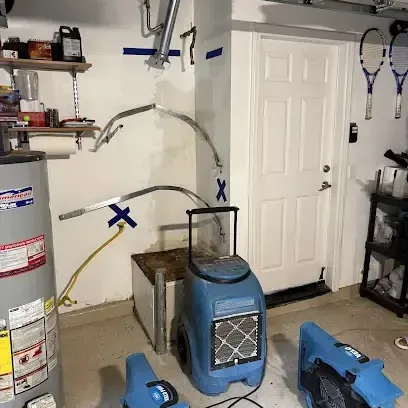
A corroded tank, a loose connection or a failed relief valve can soak a utility closet or garage floor before anyone notices.
Water heater leak cleanupAppliance hose failures
Washer, dishwasher and refrigerator supply hoses split or loosen, and the slow seep underneath can run for weeks behind a cabinet or machine.
Appliance leak water damageCreek and storm flooding
Heavy rain can send water into low rooms and crawl spaces, and it takes full cleanout and drying once creeks and streets recede.
Storm and river flood cleanupCareful drying, clear costs and honest scope
The work is built around measured results, plain pricing and a crew that explains each decision before moving equipment into the home.
Measured drying
Every material gets a moisture reading before work begins and again at close, so a dry result is a number and not a guess.
Straight cost ranges
Typical ranges are printed up front for each service so the numbers are understood before anyone signs a work authorization.
Water and sewage only
The scope stays on water and sewage losses, so the equipment and the crew are matched to the job instead of stretched across other trades.
Documented jobs
Photos, moisture logs and equipment records are kept for every job, which gives an adjuster the documentation a claim needs.
What water damage restoration costs in Conover
Most jobs land between $1,200 and $25,000 depending on how far the water spread, how long it sat and what it was carrying. A small clean water loss caught early sits at the bottom of that range, while contaminated water or a whole level pushes toward the top.
One room, caught early
- Water extraction and structural drying
- One room with clean water
- Moisture readings taken at close
Several rooms or a hallway
- Wet flooring and padding removed
- Lower walls opened where wet
- Several days of drying equipment
Whole level or Category 3
- Contaminated or long standing water
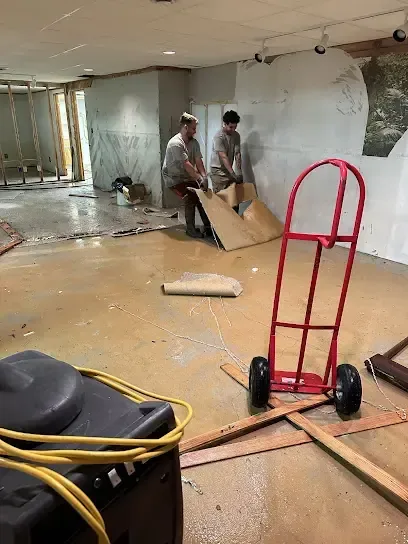
- Soaked materials removed and disposed of
- Extended drying and detailed cleaning
Ranges come from typical jobs and shift with the materials involved, the number of drying days and whether the water was clean or contaminated, so treat each range as a planning figure.
What an insurance claim for water damage needs
Many homeowner policies cover sudden water loss, and a claim moves more smoothly when the damage is photographed and logged from the start.
- Photos of every wet area and the source
- The date and time the damage was found
- Moisture readings and daily drying logs
- Receipts for emergency repairs and supplies
- Policy number and adjuster contact details
What you can do yourself
Stop the water at the valve, clear loose belongings off wet floors and photograph everything before any cleanup. Keep damaged items until the adjuster has seen them, and list each lost item.
Skip household vacuums on standing water and stay out of rooms where water meets outlets or appliances until the power is off.
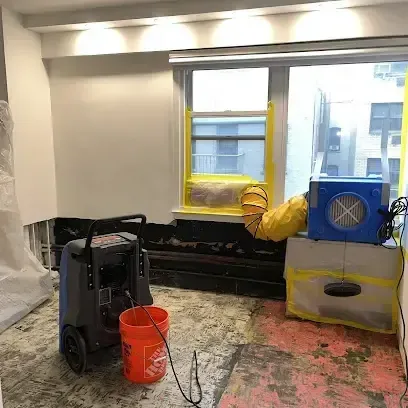
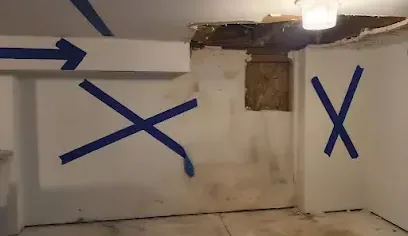
What a typical dry out looks like, step by step
Where the crew works around town
ZIP code
How to reach the drying crew
Call now and describe what is wet, where it started and whether the water is clean or from a drain. That tells the crew which equipment to bring.
Service covers homes and businesses across Conover, with the same extraction and drying work wherever the damage is.
Conover, NC · [email protected]
(888) 578-4720Tell the crew what got wetRoads and areas
Nearby towns
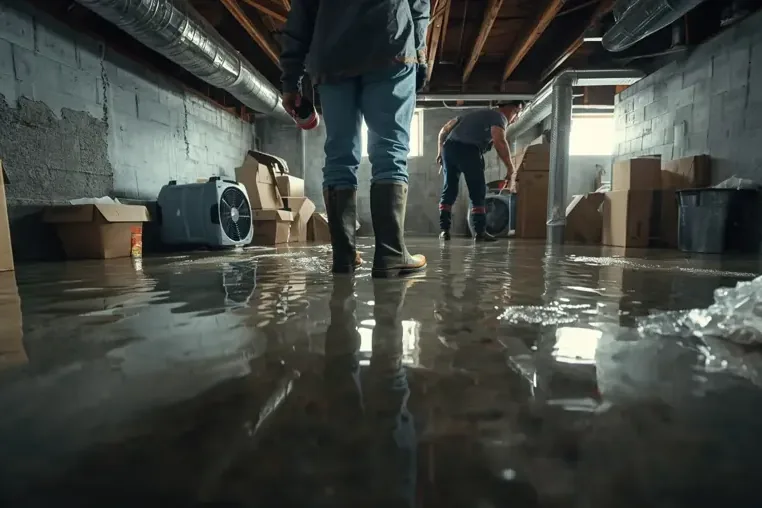
What heavy rain and creeks mean for local homes
Lyle Creek winds through Conover and other streams run through the city, so a long soaking rain gives low rooms, crawl spaces and yards plenty to deal with once the ground fills.
- Creek runoff Lyle Creek and the other streams through the city can fill fast in a stalled storm, and water that cannot drain looks for the lowest point in a building.
- Creek debris After Hurricane Helene more than 140 tons of logs and debris clogged Lyle Creek, a reminder that blocked channels slow stormwater flow and raise flood risk.
- Sewer backups Sewage flows by gravity through the city's collection mains, and a blocked service pipe on the owner's side can push wastewater up through floor drains and tubs.
- Pipes past the meter The city maintains the water main and the meter box, while everything beyond the meter, from supply pipes to the water heater, is the owner's to repair.
- Cold snaps A pipe that freezes and splits in a piedmont winter can flood a wall or ceiling cavity long before the stain shows.
November 12, 2020 Flooded roads, water rescues and evacuations were reported across portions of Catawba County after 3 to 5 inches of rain, and a flash flood emergency covered Conover.
Common water damage questions
What should I do first when water floods a room?
Close the valve if you can, turn off breakers serving the wet rooms, and photograph the damage. Then call the restoration team so extraction starts before water soaks deeper into the floor and walls. The longer water sits, the larger the repair becomes.
How long does drying take?
Most structural drying runs several days, depending on the materials, how far the water spread and the weather. Dense hardwood takes longer than carpet. Equipment stays until moisture readings show the framing, subfloor and drywall have returned to a dry standard.
Does insurance cover water damage in a home?
Many homeowner policies cover sudden losses such as a burst pipe or an appliance failure, while slow leaks and surface water are often treated differently. The policy itself and the adjuster decide, so keep photos and logs ready.
Who is responsible for a broken pipe, the city or the owner?
The city maintains the water mains and the parts inside the meter box. Water pipes beyond the meter belong to the customer, so a split pipe on the house side is an owner repair, and the damage it causes is dried the same way.
What if the sewer drains back up into the house?
Treat it as contaminated water and keep people and pets out. The city handles the collectors in the right of way and easements, while the service pipe to the main is the owner's, so a plumber usually clears the blockage and the crew handles sewage backup cleanup and disinfecting.
Can wet drywall and insulation be saved?
Clean water caught early often dries in place, but drywall and insulation that stayed wet or took on dirty water are usually cut out, since they can hold moisture and odor. Moisture readings taken during structural drying settle the question.
Will a drying crew work with my adjuster?
Yes. The crew records photos, readings and equipment logs so the adjuster has a clear picture of the loss, and the same records show which materials were dried or removed and why for each room.
Can wet materials cause problems later?
Damp materials can start growing mold within 24 to 48 hours, which is why extraction and drying begin as early as possible. Fast, complete drying is the best prevention. Once readings confirm the structure is dry, the moisture that feeds it is gone.
Does the crew work on businesses as well as homes?
Yes. Shops, offices and warehouses along NC 16, near the Interstate 40 exits and in the ConWest Business Park get the same extraction and drying through commercial water damage work, with the schedule built around limiting downtime.
How is the final cost decided?
The scope drives the number: how many rooms are wet, whether the water was clean or contaminated, which materials were soaked and how many days of equipment the readings call for. A written scope is shared before work begins.
Water in the house now? Shut off the water if it is safe, keep clear of wet outlets and call now, any hour, so extraction and drying can be planned right away.
(888) 578-4720Start water removal nowWater damage is spreading, so start the cleanup now
Water keeps spreading until removed, so describe the damage and get the crew moving.
- Lincoln County, NC
- Open every hour, every day