Water Extraction in Conover, NC
Standing water in carpet, hallways and subfloors keeps soaking in until it is pulled out. Extractors and pumps remove it first, and drying equipment then protects the walls and flooring that remain.
(888) 578-4720Get water pulled out now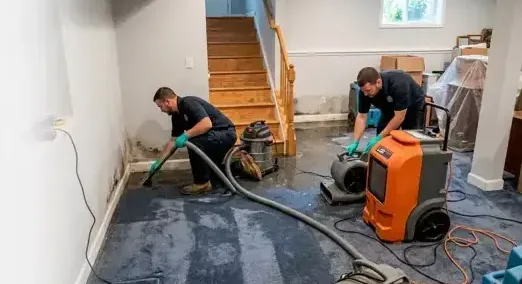
First steps for water extraction and removal in Conover
- Stop the supply Close the main shutoff or the valve at the failed fixture so no new water adds to the pool.
- Clear the floor Move furniture, shoes and electronics off wet flooring, and leave the extractors and hoses to the crew.
- Keep power off Leave breakers off for wet rooms until the readings show outlets and wiring are safe to use again.
- Note what you see Photograph standing water depth, stained walls and soaked contents before anything is moved.
What does water extraction and removal cost in Conover, NC?
Extraction is billed by the labor and equipment a loss needs, and the ranges here come from typical jobs rather than a fixed rate. A single room caught early sits near the bottom, while a whole level or contaminated water moves toward the top.
One room, caught early
- Pump and extractor pass
- Padding removed if soaked
- Readings before leaving
Several rooms
- Multiple extraction passes
- Wet flooring pulled up
- Drying equipment placed
Whole level or Category 3
- Contaminated water removed
- Disposal of ruined materials
- Disinfecting after removal
Ranges are typical, not a quote: the category of water, the square footage, the material class and how fast drying started move the number most. For a planning figure, try the water damage cost calculator.
How water extraction and removal is handled, step by step
- NO1
Assess
Technicians check water depth, source and the surfaces involved, and classify the water.
- NO2
Extract
Pumps and extractors remove standing water, then hand tools clear what machines miss.
- NO3
Open up
Baseboards come off and padding is lifted so trapped water can escape.
- NO4
Hand off
Moisture readings set the plan for structural drying.
Extraction is the first job on almost every water loss, because each gallon pulled out early is a gallon that never has to be dried out of framing later. The method depends on what the water has soaked.
Choosing the right extraction method
Submersible pumps handle deep standing water in a low room or garage, while weighted and truck powered extractors work on carpet and padding by squeezing water out of the fibers under pressure. On hard floors, wet vacuums and squeegees clear the surface, and a drill hole or lifted board can release water trapped beneath.
Water is still sitting in the house? Call now, any hour, and the extraction crew can start planning the equipment and the sequence.
(888) 578-4720Call to begin extractionWater inside the building is the owner's job
The city maintains the water mains and service connections up to the meter box, so once water is inside a building, getting it out is the owner's job. A split pipe past the meter or a failed appliance hose both end the same way, with water that must be removed and the structure dried.
After the water is out
Extraction rarely finishes the job alone, because wet framing, subfloor and drywall still hold moisture that pumps cannot reach. The crew maps what is still wet and sets up structural drying, and cuts out padding or insulation that cannot be saved. For a leak at the source, see burst pipe water damage.
Water extraction and removal across Conover and nearby communities
Extraction runs in homes and businesses from Lecho Park to downtown, and the flooded roads and evacuations of November 12, 2020 across Catawba County are a reminder that Conover water losses can arrive from rain as well as pipes.
The same service nearby: water extraction and removal in Lincolnton, Newton, Hickory.
Related water damage services in Conover
Water Extraction and Removal questions in Conover, NC
How fast does water need to come out?
Sooner is always better, because carpet padding and drywall begin to wick water upward and swell once they stay wet. Starting extraction early keeps more of the flooring and walls in place.
Can carpet be saved after a flood?
Carpet from a clean water leak can often be dried in place once the padding is lifted or replaced. Carpet soaked by sewage or floodwater is almost always removed because it cannot be made safe.
What is the difference between clean and Category 3 water?
Clean water comes from a broken supply pipe or a failed appliance, while Category 3 water carries sewage or floodwater contamination. Category 3 loss needs disinfecting and removal of porous materials, which raises the cost.
Do hardwood floors survive extraction?
Hardwood often can be saved when water is pulled out quickly, because specialized mats draw moisture from the boards without lifting them. Boards that have already cupped are monitored, and some may need replacing once the floor is dry.
What happens after the standing water is gone?
The crew takes moisture readings in the floors and lower walls, then sets drying equipment and removes anything that cannot be saved. Water that is no longer visible is still inside the structure until readings say otherwise.
Get the water out before it spreads further
Standing water adds to the drying time. Describe the room, the source and how long it has been wet, and the crew plans the first pass.
- Lincoln County, NC
- Open every hour, every day