Commercial Water Damage in Cherryville, NC
Downtown Cherryville is a North Carolina Main Street community with historic buildings, and a leak can reach shared walls and floors. The drying team removes the water and gets the business back to work.
(888) 578-4720Call about the business water loss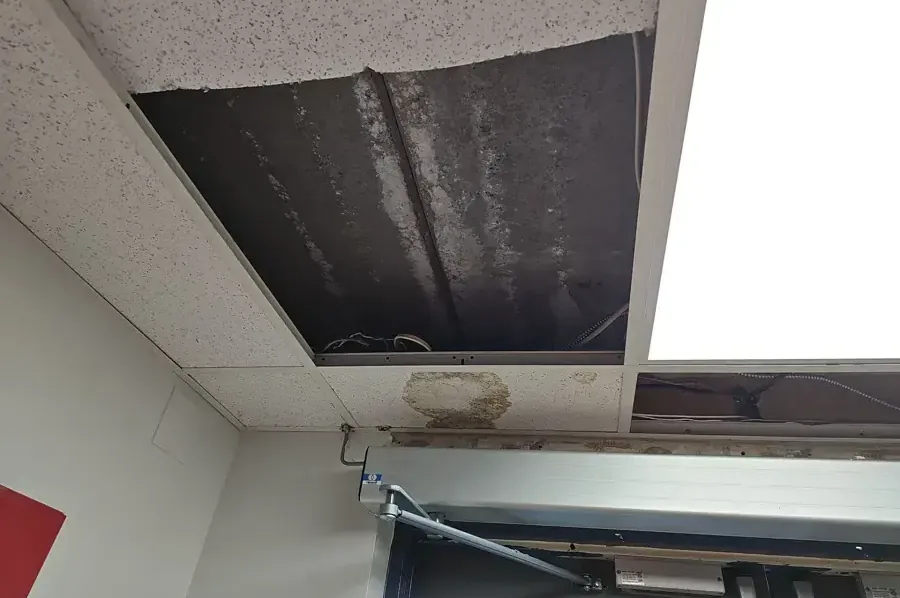
First steps for commercial water damage in Cherryville
- Protect the space Power and valuables are secured and the area is isolated.
- Extract the water Pumps and extractors clear floors, and moisture readings map walls and ceilings.
- Open and remove Wet ceiling tiles, insulation and drywall come out where they hold water.
- Dry and report Equipment runs until readings are normal, with logs and photos kept for the claim.
What does commercial water damage cost in Cherryville, NC?
Commercial jobs usually run from $3,000 to $120,000. One suite or shop sits at the low end, a large floor costs more, and a loss that spans several floors reaches the top of the range.
One suite or shop
- Water extracted
- Ceiling and wall readings
- Drying equipment
Large floor
- Staged work by zone
- Ceiling tiles replaced
- Extended drying
Several floors
- Extraction on each level
- Shared wall drying
- Daily logs
Ranges are typical, not a quote: the category of water, the square footage, the material class and how fast drying started move the number most. For a planning figure, try the water damage cost calculator.
How commercial water damage is handled, step by step
- NO1
Secure
Protect power, stock and fixtures first.
- NO2
Extract
Pump out water and map the wet walls and ceilings.
- NO3
Open
Remove wet ceiling tiles, insulation and drywall.
- NO4
Dry
Run equipment and log readings until the space is dry.
A leak in a business costs money twice, in repairs and in lost days. The aim of commercial drying is to remove the water, protect the stock and fixtures, and let the doors reopen as soon as readings allow.
Older buildings, careful drying
Downtown Cherryville is a North Carolina Main Street community, and its historic buildings call for care. Older finishes such as plaster, wood floors and original ceilings can be damaged by hard or fast drying, so equipment is chosen to protect the materials as well as to dry them.
Every day a business sits wet means lost sales and more damage. Call now, and the restoration team starts with a plan that fits the space and the schedule.
(888) 578-4720Call about the commercial lossWhat happens first
The first questions are what is affected, whether the space is occupied and whether power and inventory are at risk. The team stops the water, extracts it and sets drying equipment so the rest of the building keeps running where possible.
Documentation and tenants
Moisture logs, photos and equipment records support an insurance claim and give a landlord and tenant the same facts. Wet floors and ceilings are dried with structural drying, and larger losses follow the way commercial water damage in Lincolnton is handled.
Commercial water damage across Cherryville and nearby communities
The drying team serves businesses throughout the city, including Downtown Cherryville and North Mountain Street. The C. Grier Beam Truck Museum, in the former Beam's Shell Service Station and Office, is on the National Register of Historic Places, a reminder that older buildings call for careful drying.
The same service nearby: commercial water damage in Lincolnton, Newton, Conover.
Related water damage services in Cherryville
Commercial Water Damage questions in Cherryville, NC
How is a business kept open during water damage work?
The affected area is isolated with barriers, and work is staged by space so unaffected rooms can often stay in use.
Does commercial water damage cost more than residential?
Often it does, because the areas are larger and the equipment list is longer. Ceilings, shared walls and inventory add steps, and a rented space may need documentation for the landlord.
Who is responsible for the damage, the landlord or the tenant?
It depends on the lease and where the water came from, so photos, readings and a clear record of the source help everyone.
What happens to ceiling tiles and inventory?
Stained or sagging tiles are removed, since they cannot be dried reliably. Stock is moved out of the wet area and checked.
Are older commercial buildings harder to dry?
They can be, because older plaster, wood and masonry hold water longer and react to fast drying. Equipment is set to dry them steadily, with readings checked often so the finishes are not damaged.
Get the business dry and reopened
The water is extracted, wet ceilings and walls are opened and drying runs in stages with logs kept for the insurance file.