Structural Drying in Cherryville, NC
Once the water is out, the moisture left inside framing, subfloor and walls still has to go. The drying team sets air movers and dehumidifiers, takes readings and keeps going until the structure matches a dry reference.
(888) 578-4720Call to set up drying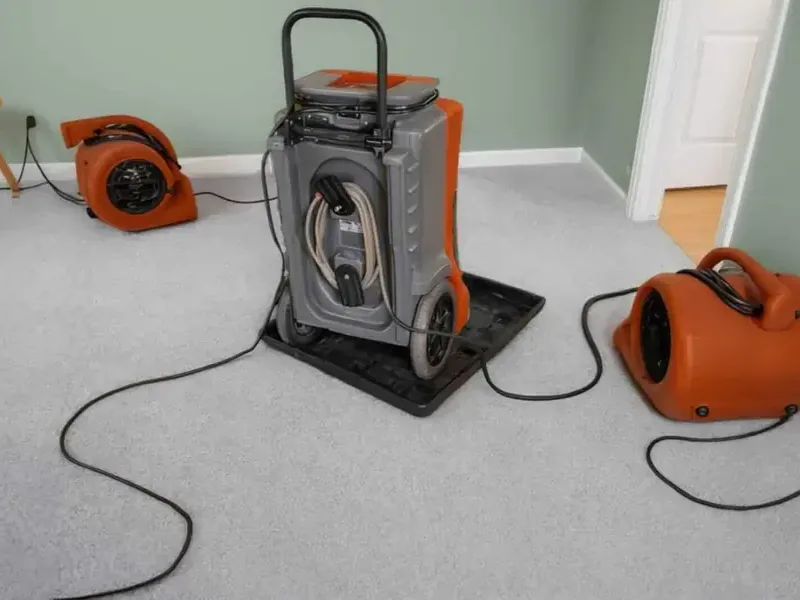
First steps for structural drying and dehumidification in Cherryville
- Map the moisture Meters and a thermal camera mark every wet surface first.
- Place equipment Air movers and dehumidifiers go where the map shows the most moisture.
- Log the progress Readings are repeated and equipment is moved as spots reach their dry target.
- Release the job Equipment comes out once all readings match the dry reference.
What does structural drying and dehumidification cost in Cherryville, NC?
Structural drying usually runs from $1,200 to $20,000. One room with Class 1 or 2 materials sits at the low end, a floor level or Class 3 costs more, and Class 4 materials reach the top.
One room, Class 1 or 2
- Moisture mapping
- Air movers and dehumidifier
- Daily readings
Floor level or Class 3
- Wider equipment set
- Wall cavity drying
- Logged readings
Class 4 materials
- Specialty drying equipment
- Dense material monitoring
- Extended run time
Ranges are typical, not a quote: the category of water, the square footage, the material class and how fast drying started move the number most. For a planning figure, try the water damage cost calculator.
How structural drying and dehumidification is handled, step by step
- NO1
Map
Mark every wet surface with a meter.
- NO2
Place
Set air movers and dehumidifiers by moisture level.
- NO3
Log
Record readings on each visit and adjust equipment.
- NO4
Release
Remove equipment when readings match dry.
Surfaces dry first and structure dries last. A floor can feel dry to the hand while the subfloor underneath still holds enough water to swell wood, loosen glue and feed mold.
Why drying takes equipment
Water leaves materials as vapor. Air movers sweep it off the surface, and dehumidifiers pull it out of the air so it does not settle somewhere else. Without both, the humidity in the room stays high and the drying slows to a crawl.
Damp framing keeps its moisture long after the floor feels dry. Call now, and the drying team maps the wet areas and plans the equipment.
(888) 578-4720Ask about moisture readingsReadings decide the finish
The drying team records moisture in wood, drywall and concrete when equipment goes in and again each visit. Equipment is moved or taken out as spots reach their dry target. Calendar days do not decide the end date, the numbers do.
Classes of water damage
A small area with little absorbent material is Class 1 or 2. Water that came from above and soaked ceilings, walls and insulation is Class 3, and dense materials such as hardwood, plaster or concrete make a Class 4 job. After water extraction, the class sets the equipment and the time. Large losses mirror structural drying in Lincolnton.
Structural drying and dehumidification across Cherryville and nearby communities
The drying team sets up equipment in homes and businesses across the city, from Downtown Cherryville to the Tryon, Hugh's Pond and Tryonota areas. Equipment placement follows the moisture map room by room, and it stays in place until readings say the job is done.
The same service nearby: structural drying and dehumidification in Lincolnton, Newton, Conover.
Related water damage services in Cherryville
Structural Drying and Dehumidification questions in Cherryville, NC
How long does structural drying usually last?
It depends on the materials and how much water they took on. Readings, not a set number of days, decide when the equipment leaves.
Why are the dehumidifiers and fans so loud?
Drying relies on strong airflow and compressors working to pull water vapor out of the air. The noise and heat are normal and are a sign the equipment is running as designed.
Can a surface that feels dry still hold moisture?
Yes. Subfloor, wall cavities and the bottom of framing can stay wet while carpet and paint feel dry. Without readings, that hidden moisture can swell wood, loosen flooring and feed mold.
Is it safe to stay in the home during drying?
Usually yes, after the water source is stopped and any contaminated material is removed. The equipment needs power and generates noise and warmth, so a household may choose to sleep in the quietest room.
Does drying cost more than extraction?
Often yes, because equipment runs for days and is monitored. Extraction is a shorter task, while drying is priced by how many pieces of equipment are placed and how long they stay.
Finish the job with proper drying
Equipment stays in place and readings continue until the framing, subfloor and walls match a dry reference.
- Lincoln County, NC
- Open every hour, every day