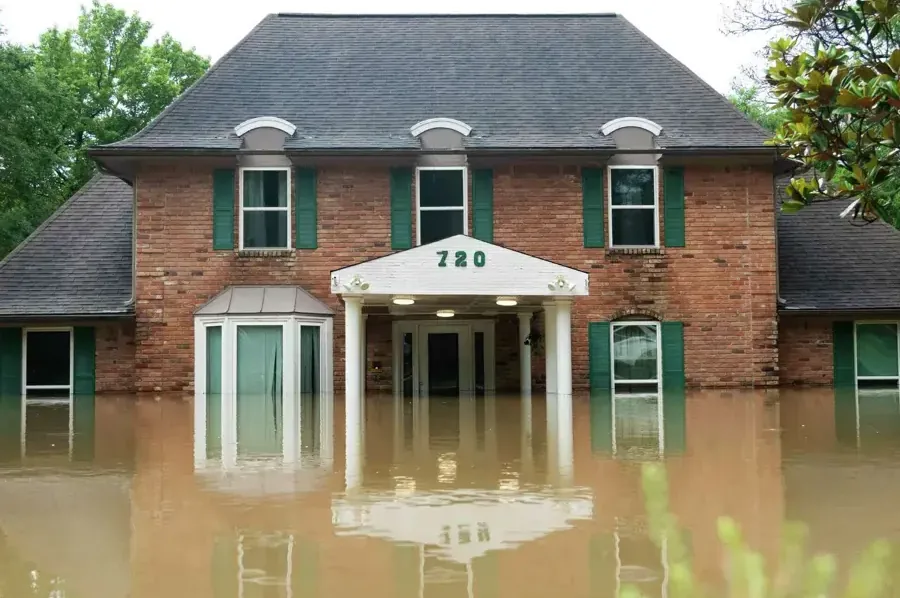
On July 27 and 28, 2013, up to a foot of rain fell on parts of Lincoln, Catawba and Cleveland counties. The South Fork Catawba River caused major flooding in Lincoln County, climbing about 12 feet above flood stage near Long Shoals, and a boat rescue took place near Betty Ross Park. That storm is the clearest local picture of what river water does when it reaches a house.
Key takeaways
- River and creek water is Category 3, the most contaminated class, even when it looks like plain mud.
- Carpet, pad, insulation and wet drywall that touched flood water are removed, while framing and hard surfaces are cleaned and dried in place.
- Water standing against below grade walls is pumped down in stages, not all at once.
- Dated photos of the high-water mark and every damaged item, taken before anything is moved, support the insurance claim.
- Flood losses and burst pipe losses are usually separate insurance questions, so the policy wording matters.
What July 2013 did along the South Fork
Lincolnton sits on the northeastern side of the South Fork Catawba River, and Clark Creek joins the South Fork in the northwestern part of the city.
Between July 27 and 28, 2013, the rain came hard enough for the river to rise about 12 feet above flood stage near Long Shoals. News coverage that week also described a boat rescue near Betty Ross Park.
No count of damaged houses is cited here. What matters is how a river event unfolds, because the same steps apply whenever a creek or the South Fork leaves its banks.
Lincoln County also includes communities such as Iron Station, Crouse, Denver, Lowesville, Westport and Vale. A house in any of them faces the same river and creek questions after a storm of that size.
Why river water is handled differently from a pipe leak
A split supply pipe puts clean water on the floor. River and creek water carries soil, fertilizer, animal waste and whatever else it crossed on the way to the house.
Restoration standards place that water in Category 3, however clear it looks. The label decides what can be saved and what has to be thrown out.
- Carpet and pad that touched flood water are removed and discarded.
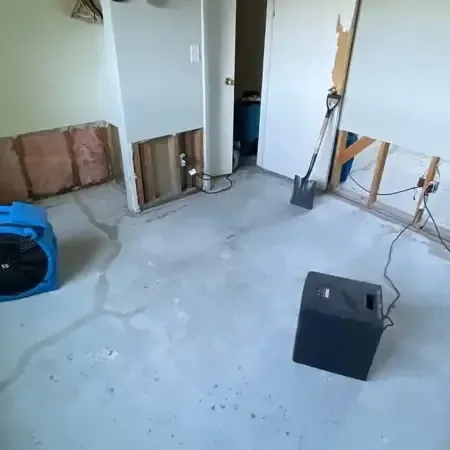
- Drywall and insulation that soaked up flood water are cut out until the cut edge reads dry.
- Framing, concrete and tile are cleaned, treated and dried in place.
- Appliances, outlets and panels that sat in water need an electrician's inspection before anyone uses them.
The first day after flood water enters a house
The order of work matters. Safety comes first, records second and water removal third.
Safety before anything else
Power to a flooded room stays off until an electrician says otherwise. Standing water can hide live circuits, sharp debris and open drains.
- Stay out of water that touches outlets, cords or a panel.
- Wear boots and gloves, and keep children and pets away from the wet area.
- Treat food, medicine and drinking water that touched the flood as unsafe.
Documenting the loss
Before anything moves, photographs of the high-water mark on the walls, the damaged contents and the mud on the floor record what the flood did. An insurer usually asks for dated photos and a list of what was lost.
Pumping in stages
Where water stands against below grade walls, the crew lowers it in steps. Emptying a flooded room too fast can let wet soil outside push against the walls.
Careful water extraction after a river event is paced on purpose, with the level checked between pumping rounds.
Drying the structure once the water is gone
Pumping removes the standing water, but wood, concrete and plaster still hold moisture. Readings from a moisture meter and an infrared camera show where the rest went, including inside wall cavities and under flooring.
Fans and dehumidifiers stay in place, and the crew checks the readings at each visit until the wet materials match a dry reference. The method is described under structural drying.
- Wall cavities are opened wherever the readings stay high.
- Subfloor and joists are dried before new flooring goes down.
- Mold can start on wet materials within 24 to 48 hours, so drying does not wait for the repair schedule.
Reading the ground: creeks, clay and runoff
The area sits in the Piedmont at an elevation of about 883 feet. The soil is the Cecil series, North Carolina's state soil, with thin topsoil over a heavy red clay subsoil.
Clay takes in water slowly, so hard rain tends to run toward low ground, creeks and the river instead of soaking down. That is one reason the South Fork and Clark Creek matter to anyone living near them.
A crawl space or yard that floods can begin with storm and river flood cleanup before the drying work starts.
- Rain that keeps falling after the ground is already soaked.
- Creeks or ditches running full, or water over low road crossings.
- Water seeping through a basement wall or across a crawl space floor.
- National Weather Service flood warnings for the river.
Mistakes that make flood damage worse
The hours after a river event invite shortcuts. A handful of common ones turn a manageable loss into a larger one.
- Running a household vacuum on wet carpet, which can spread contamination and ruin the motor.
- Closing a wet room back up with the doors shut, which traps humidity against the framing.
- Pulling every wall open at once before readings show where the water actually went.
- Waiting on the insurer before starting extraction, when most policies expect the owner to limit further damage.
- Throwing out damaged items before photographing them.
A typical sequence over the first several days
Every flood loss differs, but the work usually moves in the same order. The pattern below is a rough outline, not a schedule.
Day one
Safety checks, photos, power shutoff where needed and removal of the standing water come first. Wet carpet, pad and loose debris go out so the floor can be cleaned.
Days two and three
Wet drywall and insulation are cut out, hard surfaces are cleaned and treated, and drying equipment is set. Starting readings are logged so every later visit can be compared against them.
The rest of the week
The crew returns to check the readings, move equipment and open any cavity that stays wet. When the structure matches the dry reference, the equipment comes out and rebuilding can be scheduled.
Homes and businesses across the service area follow the same basic order.
After the water: contents, insurance and rebuilding
Contents are sorted into three piles: items that can be cleaned, items that need a closer look and items that go. Solid wood and metal often clean up well, while upholstery and particle board rarely do.
Flood and burst pipe losses are often treated differently by insurers. Many standard homeowners policies leave out rising water, and flood coverage is a separate policy.
Keeping the policy, the photos, the moisture logs and the repair invoices in one folder makes the claim conversation shorter.
Questions
Is river flood water really different from other water damage?
Yes. River water is classed as Category 3 because of what it carries, so porous materials that soaked it up are removed instead of dried.
Can carpet be saved after flood water?
Usually not. Carpet and pad that touched Category 3 water are discarded, while hard flooring may be cleaned and kept if the readings allow.
How long does drying take after a flood?
It depends on how long the water stood and how much material got wet. Drying often takes several days, and the readings, not the calendar, decide when it ends.
Does homeowners insurance cover river flooding?
Many standard policies do not cover rising water, while a separate flood policy does. Check the wording or ask the agent before filing.