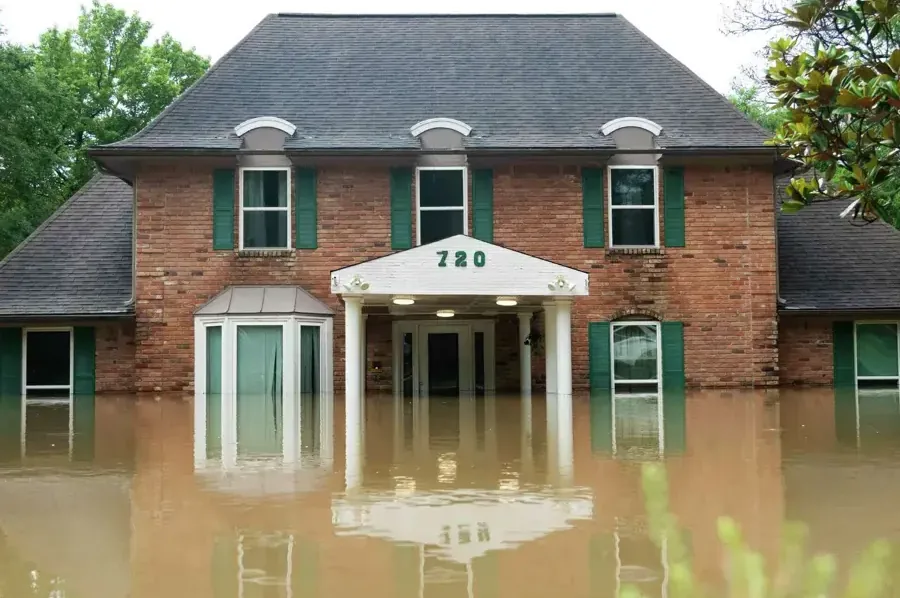
In June 2019, Mecklenburg County Storm Water Services proposed buying a flood prone single-family parcel on Gilead Road in Huntersville. The proposal said the parcel lies within a FEMA-designated floodplain and is subject to periodic and severe flooding. That single record is the one flood fact used here, and it shows what living near a creek floodplain can mean.
Key takeaways
- The county's June 2019 proposal described one Gilead Road parcel as subject to periodic and severe flooding inside a FEMA-designated floodplain.
- The purchase was voluntary, with no condemnation, and it came under a county plan approved in May 2012.
- Creek flood water is Category 3, so porous materials that soaked it up are removed and the structure is cleaned and dried.
- Standing water is removed first, wet materials come out next and drying is tracked with readings.
- Owners can check the mapped floodplain status of a specific property instead of guessing.
What the county proposal says
The June 2019 proposal from Mecklenburg County Storm Water Services concerned a single-family residential parcel on Gilead Road. The county said the parcel is within a FEMA-designated floodplain and is subject to periodic and severe flooding.
The purchase was voluntary, with no condemnation. The county said buying the parcel takes steps to restore the floodplain functions of McDowell Creek.
The parcel was picked under the county's Flood Risk Assessment and Risk Reduction Plan, approved by the County Commission in May 2012. The county also said acquired flood prone parcels may serve future public or private projects, but new buildings will not be allowed on them.
Nothing in the record says the parcel is typical of the town. It is a single, documented example of floodplain land beside McDowell Creek.
How the town drains: McDowell Creek and Clarke Creek
The part of Huntersville west of NC 115 drains southwest through McDowell Creek, a tributary of the Catawba River within Mountain Island Lake.
On the other side of NC 115, the town is drained by tributaries of Clarke Creek, which feeds the Rocky River in the Pee Dee River watershed.
These facts describe drainage direction only. They do not say which streets or homes flood, and no flood event is claimed beyond the county record above.
What creek water does inside a house
Creek water carries soil, fertilizer, animal waste and debris from the whole watershed. Restoration standards place it in Category 3, so it is treated as contaminated whatever its color.
That label changes the plan from drying to removal, cleaning and then drying.
- Carpet, pad and soaked insulation are removed and discarded.
- Drywall and trim that wicked the water are cut out until the cut edge reads dry.
- Hard surfaces such as tile, sealed concrete and framing are cleaned and treated.
- Appliances and electrical parts that sat in water are inspected before use.
The first day after creek water enters
The first day has a set order. It protects people first, then the record of the loss, then the structure.
Safety
Power to a wet room stays off until an electrician clears it. Moving water, even shallow, can knock an adult off their feet.
Records
Photographs of the water mark on the walls, the creek-side yard and every damaged room make up the claim record. Dated images are the first thing an insurer requests.
Water removal
Pumps and extractors clear the floor, and where water stands against low walls the level is lowered in stages. Water extraction is the first step because wet wood and drywall keep absorbing for as long as water sits.

Lakes, creeks and low ground: reading the setting
Huntersville is known as a lake community. Lake Norman, a Catawba River impoundment covering 32,510 acres, follows the northwestern border of the town, and Mountain Island Lake lies along the southwest border.
None of that means the lakes flood homes. It means the town sits among large bodies of water and creeks that drain to them, so rain and creek water are part of how local houses stay dry or get wet.
What to move and what to leave for the crew
When creek water reaches a house, a few items are worth saving and a few are worth leaving alone.
- Lift documents, photographs and electronics to a dry, high place.
- Leave soaked furniture and heavy items for the crew to move safely.
- Leave electrical panels, outlets and appliances alone until they are inspected.
- Skip household cleaning products on flood-soaked surfaces, because the crew uses its own treatments.
Mistakes that slow recovery
Small choices in the first day can lengthen the job. Avoiding them keeps the structure in better shape.
- Waiting for the water to drain by itself instead of starting removal.
- Closing windows on a wet house and turning up the heat, which traps moisture.
- Throwing out damaged items before photographing them.
- Tearing out walls without readings, which opens dry areas and adds cost.
Cleanup and drying after creek water
After the debris is removed, moisture meters and an infrared camera show where water traveled, including inside wall cavities and under flooring.
Fans and dehumidifiers go in and are adjusted at each visit. The process is outlined under structural drying.
- Wall cavities are opened wherever readings stay high.
- Subfloor and framing are dried before new flooring is installed.
- Mold can start on wet material within 24 to 48 hours, so drying begins early.
Tracking the drying with readings
Drying after creek water is a measured process. The crew records readings in each room on the first visit and again at every return.
When the readings on framing, subfloor and drywall match those on a dry reference piece, the equipment comes out. Touch and smell are not reliable, especially inside a wall.
Restoring the structure afterward
Once the house is dry, rebuilding begins. New insulation, drywall, flooring and paint go in, and trim is replaced last.
Planning the rebuild with the drying results in hand avoids covering damp materials. It also gives the owner a clear record of what was removed and why.
Flood zone facts for owners
A FEMA-designated floodplain is a mapped area, and the county record shows that at least one Gilead Road parcel sits inside one. An owner who wants to know about a specific property can look up its mapped status instead of guessing.
Flood coverage is usually a separate insurance policy, and many standard homeowners policies leave out rising water. The agent is the person to ask.
For a full outline of the work after creek or storm water, see storm and flood cleanup.
Questions
Does the county proposal mean every Huntersville home near a creek floods?
No. It concerns one parcel, and it says nothing about other homes or streets.
Is creek flood water the same as water from a burst pipe?
No. Creek water is Category 3 because of what it carries, while a burst supply pipe usually starts as clean water.
Can carpet be saved after creek water?
Usually not. Carpet and pad that soaked up Category 3 water are removed, though some hard flooring can be cleaned and kept.
What does voluntary purchase mean in the county record?
It means the owner takes part by choice, with no condemnation, according to the county proposal.
How long does cleanup after creek water usually take?
It depends on how much water entered and how long it stood. Removal and cleaning take the first days, and drying often continues for several more.